
The cash-flow decision is not simply whether to buy or lease. Converting CapEx to OpEx for large assets can replace a substantial upfront purchase with recurring payments for access, but it changes the timing and structure of cash outflows, not automatically the total cost or accounting treatment. CapEx generally funds physical assets that benefit a business for more than one year; OpEx covers the costs of running it.
Preserving cash for other priorities can make recurring payments attractive, while ownership may better suit an asset the business needs over the long term. The distinction involves purpose and duration as well as payment timing. This article explains operating expenditure, how buying and leasing affect cash flow and flexibility, and why an OpEx arrangement does not necessarily keep an asset off the balance sheet. It also outlines practical trade-offs when structuring large-asset costs in South Africa.
Key Takeaways
- Distinguish day-to-day operating costs from investment in assets designed to benefit the business over time.
- Assess how buying or leasing changes upfront cash demands, recurring payments and asset ownership.
- Look beyond payment timing: accounting treatment and tax consequences depend on the transaction and the asset’s purpose.
- Use the purpose and operating requirements of a large asset to determine whether an infrastructure-as-a-service model could fit.
What is opex (operating expenditure)?
Operating expenditure, or OpEx, covers costs incurred to run a business rather than acquire a lasting asset. Wages, rent, utilities and service fees are common examples. A monthly electricity payment supports current operations; buying production machinery is capital expenditure because the asset can provide benefits beyond one year. Classification depends on the spending’s purpose and the benefits it creates, not simply on how the invoice is paid.
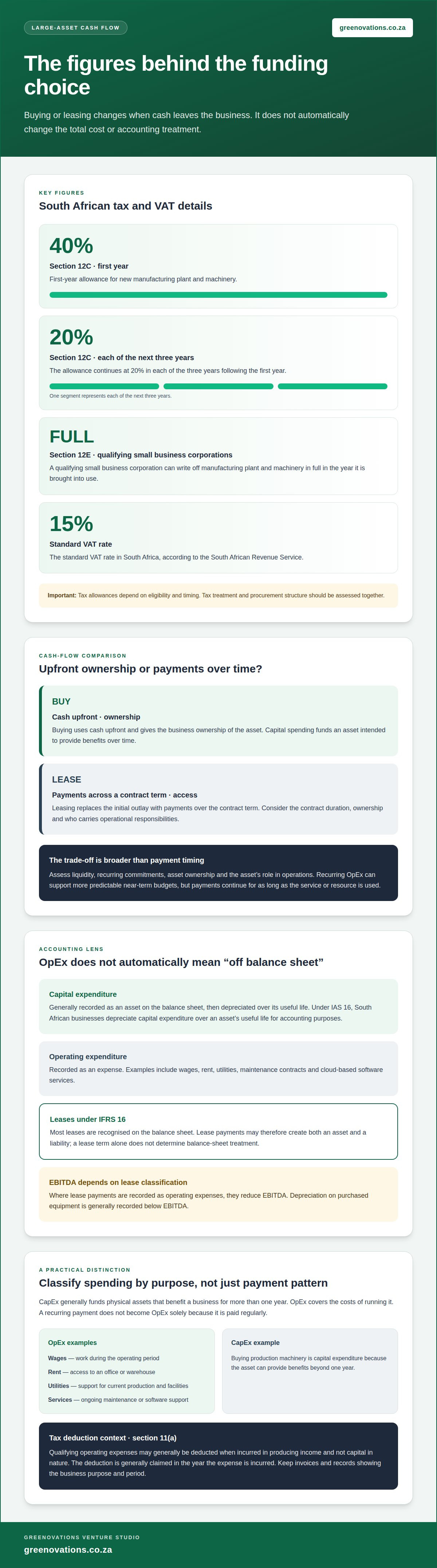
Recurring OpEx payments can make near-term budgets more predictable, but they continue for as long as the service or resource is used. A warehouse rental, staff wages and equipment maintenance each support ongoing activity. By contrast, capital spending places cash into an asset used over time. South African businesses should also account for VAT: according to the South African Revenue Service, the standard VAT rate in South Africa is 15%.
- Operational: staff wages fund work performed during the operating period.
- Premises: rent pays for access to an office or warehouse, often month by month.
- Utilities: electricity and water support current production and facilities.
- Services: maintenance contracts or cloud-based software provide continuing operational support.
For tax, qualifying operating expenses may generally be deducted under section 11(a) of the Income Tax Act when incurred in producing income and not capital in nature. The deduction is generally claimed in the year the expense is incurred. Classification matters: a payment does not become OpEx merely because it is recurring, and capital expenditure follows different tax and accounting treatment. Keep invoices and records that show the expense’s business purpose and period.
Budget these categories over different timelines. Forecast recurring OpEx by payment frequency, contract term and expected usage. A monthly service charge, for example, should appear across the relevant operating periods. Plan capital expenditure around the purchase date, useful life and funding impact. Keep the schedules separate, then assess how each affects cash available for payroll, suppliers and operations. This shows recurring commitments alongside one-off investments, rather than treating every payment as interchangeable.
Balancing upfront investment with flexibility
Funding structure affects cash availability, reported performance and control over an asset. Weigh recurring commitments against ownership, contract duration and the asset’s role in operations.
Financial statement treatment
CapEx is generally recorded as an asset on the balance sheet, then depreciated over its useful life; OpEx is recorded as an expense. This distinction changes when costs affect reported profit and where they appear in financial statements. A business buying servers records the equipment as an asset, while support payments appear as operating expenses. Under IAS 16, South African businesses depreciate capital expenditure over an asset’s useful life for accounting purposes. This treatment can affect valuation ratios: asset values, liabilities and earnings measures change according to how a transaction is recognised. Compare like with like when assessing performance across periods.
Lease terms and asset treatment
A lease term defines the period of access, but it does not by itself determine whether the asset or lease liability appears on the balance sheet. Under IFRS 16, most leases are recognised on the balance sheet. Lease payments may therefore create both an asset and a liability, rather than simply replacing an owned asset with an off-balance-sheet expense. The contract’s duration and terms matter. A shorter payment schedule may ease near-term cash demands, but reported obligations and valuation ratios still depend on accounting treatment.
Financing incentives and procurement rules
South African tax allowances can influence the economics of asset ownership, whilst procurement terms shape payment and performance obligations. Section 12C allows a 40% first-year allowance for new manufacturing plant and machinery, followed by 20% in each of the next three years. Section 12E lets a qualifying small business corporation write off manufacturing plant and machinery in full in the year it is brought into use. These allowances make eligibility and timing relevant to financing decisions. For procurement, assess how the contract allocates ownership, payments and operational responsibilities; these terms affect which party funds and carries the asset. Tax treatment and procurement structure should be assessed together, not treated as interchangeable routes to flexibility.
Cash flow effects of buying versus leasing
Buying uses cash upfront and gives the business ownership; leasing replaces that initial outlay with payments over a contract term. The choice affects liquidity, obligations and reported performance, not just payment timing.
Leasing effects on EBITDA
EBITDA treatment depends on how the lease is classified in the applicable accounting model. Where lease payments are recorded as operating expenses, they reduce EBITDA; depreciation on purchased equipment is generally recorded below EBITDA. This distinction matters when assessing operating performance or valuation ratios. Under IFRS 16, most leases are recognised on the balance sheet, so recurring payments do not automatically keep lease obligations out of reported liabilities.
Rental and service-based models
A lease grants use of an asset under contract, rental commonly provides shorter-term access, and asset-as-a-service can combine access with service delivery. These models differ in duration, ownership and asset management responsibilities. Converting CapEx to OpEx for large assets means replacing some purchase expenditure with ongoing payments for use or an outcome. It changes the cash-flow profile, not necessarily the total cost or accounting treatment.
Leasing costs and interest rates
There is no single typical cost or interest rate for leasing large assets in South Africa. Terms depend on the asset, contract duration, funding terms, residual value and the lessee’s credit profile. Assess the full payment schedule, fees, maintenance responsibilities and end-of-term conditions, rather than comparing instalments alone. For a specific lease, those factors determine the cost.
Converting large assets to OPEX
Portfolio conversion restructures asset access so recurring payments replace some capital purchases. Start by grouping assets according to ownership, remaining useful life, contract status and operational role. Compare continued ownership with leasing, rental or service-based models, including lifecycle obligations and cash-flow timing. A sale-and-leaseback can release capital from an owned asset while the business leases it back. Align any transition with contract renewal or asset replacement, and assess accounting consequences before changing the portfolio.
How CapEx and OpEx differ in duration and business purpose
Classify expenditure by the benefit it creates, not simply by its payment schedule. Capital expenditure funds an asset expected to benefit the business beyond one year, such as a production machine or warehouse. Operating expenses support activity during the current operating period, often through services or resources consumed within 12 months. That distinction helps separate investment in capacity from the cost of using it.
Useful life is central. A machine may support production for several years, so buying it serves a longer-term operational purpose. Electricity, maintenance and software subscriptions support current activity and are incurred as the business uses them. A long contract does not, by itself, make an operating service capital expenditure; the underlying asset, rights and accounting treatment matter. Likewise, splitting a machine’s price into recurring payments does not automatically change its purpose.
Duration also affects flexibility. Buying commits capital to an asset the organisation expects to use over its useful life. Rental can provide access for a shorter period, including month-to-month arrangements, while an operating lease typically lasts one year or more. Decide based on how long the asset is needed, how quickly requirements may change, and whether the business needs ownership or access. A fixed production line and temporary project equipment serve different operational purposes.
Use this test for each proposed commitment: identify the business benefit, establish when that benefit is consumed, then assess whether the arrangement funds an asset or access to a service. For example, acquiring machinery to expand production creates capacity over time; paying for a maintenance service supports the machinery’s current operation. This purpose-and-duration analysis gives finance teams a clearer basis for comparing ownership with recurring models. For assets valued through ongoing availability, explore service-based asset structures as a possible route to aligning payments with operational use.
Greenovations Venture Studio
Greenovations Venture Studio builds green-economy businesses and infrastructure models that reduce partners’ upfront capital requirements. Consider its services when a large asset or infrastructure need calls for a financing structure aligned with ongoing use, delivery and performance requirements. The question is not simply whether to lease or buy, but how to secure the capability the operation needs and allocate capital and responsibilities effectively.
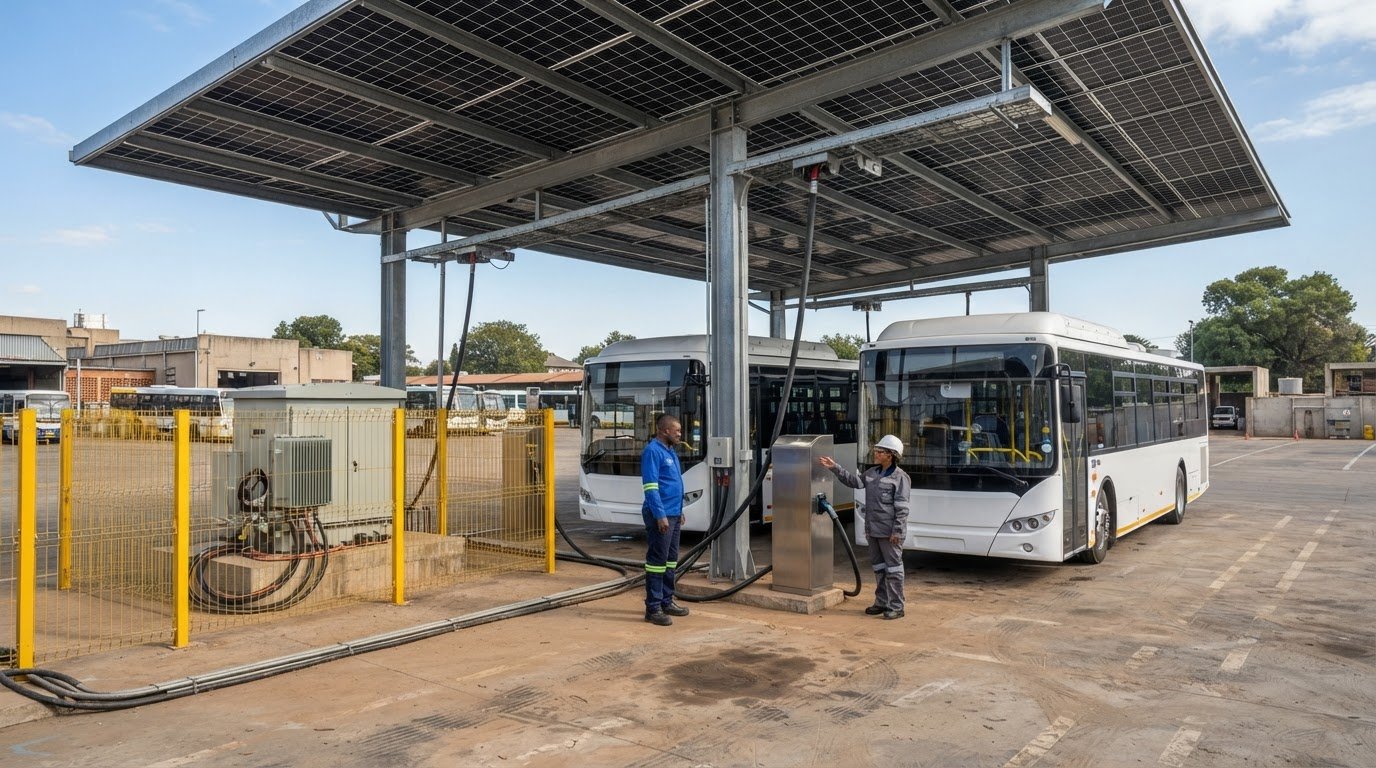
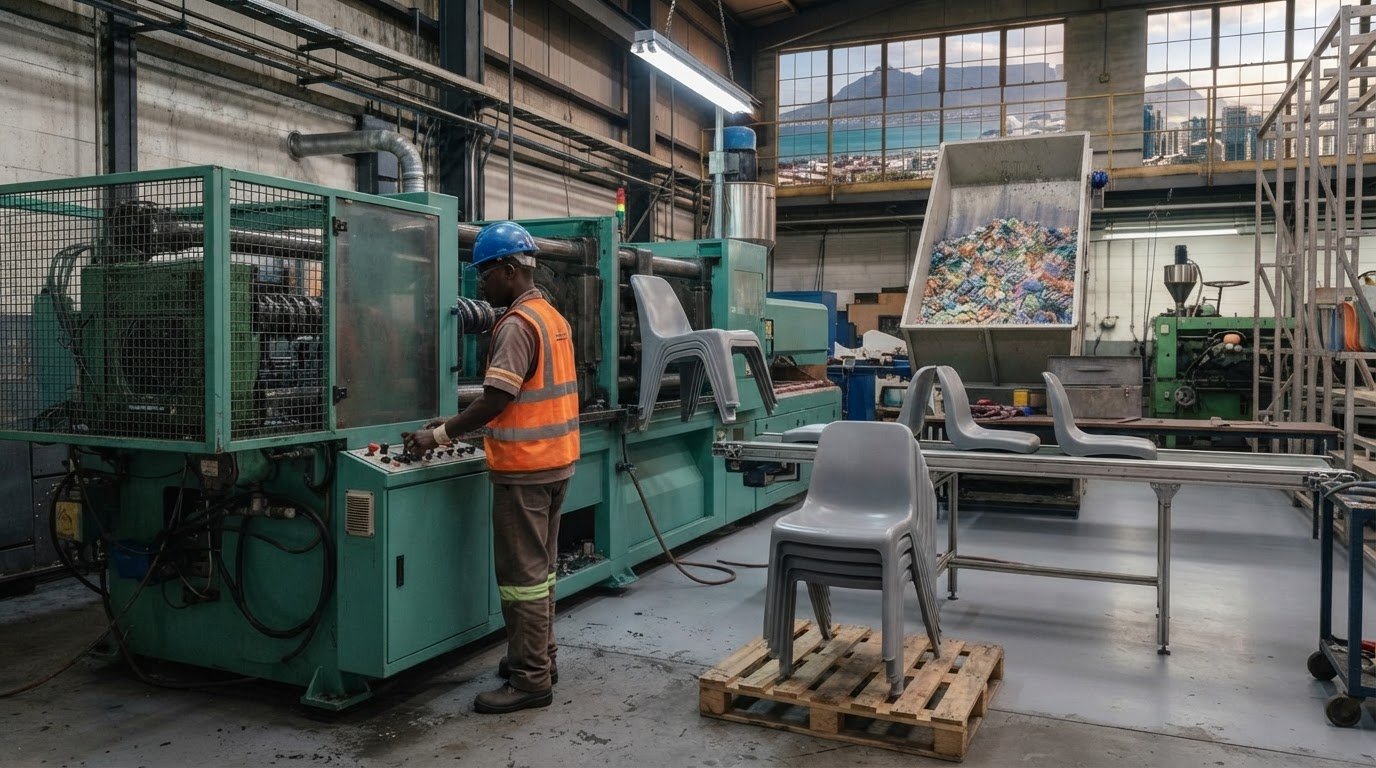
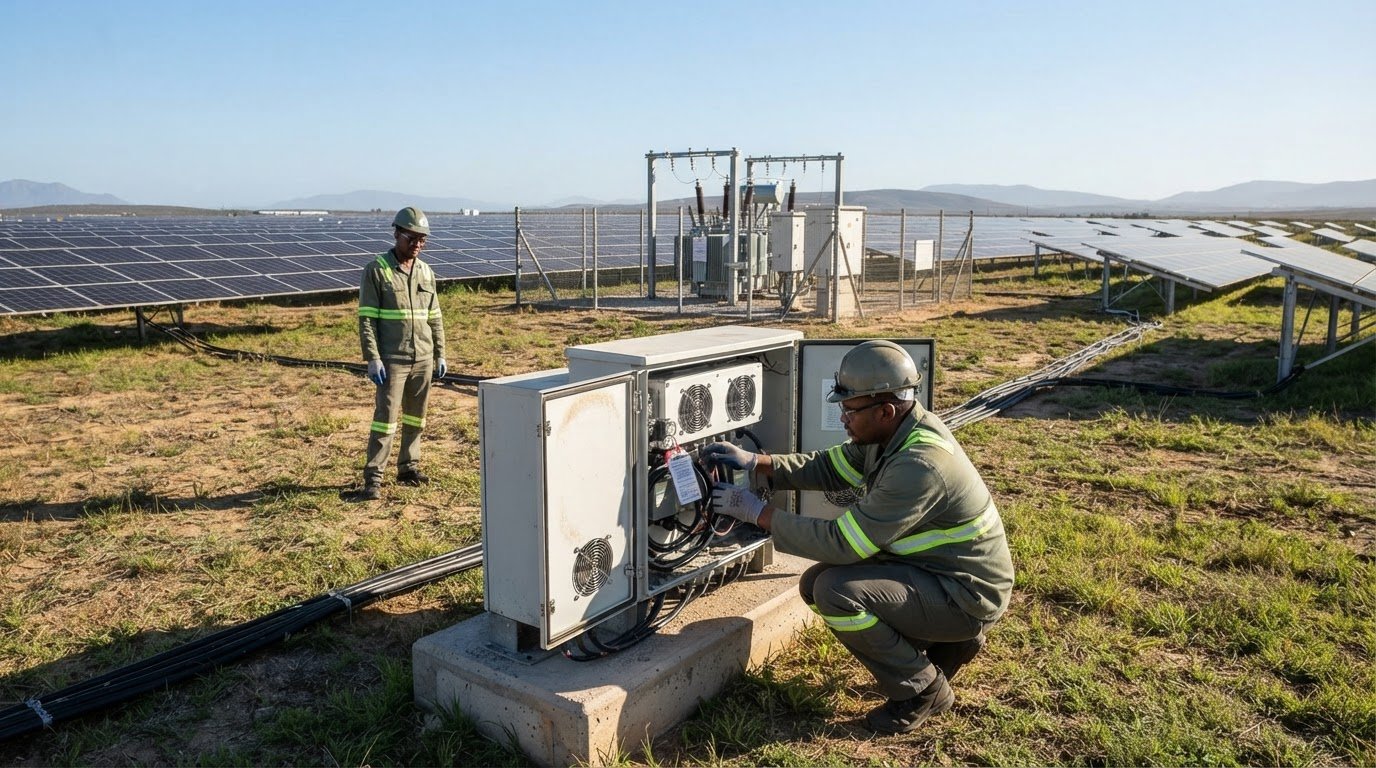
Its offerings include Drone-Powered Industrial Intelligence (GII), Electric Vehicle Ecosystem, Sustainable Seating Infrastructure-as-a-Service and Solar PV Recycling. These ventures address different operational requirements; they are not interchangeable financing products. The fit depends on the asset or capability required and its role in the business. Greenovations Venture Studio delivers its ventures under a No-CAPEX model, so partners do not need to fund upfront capital expenditure.
To discuss an infrastructure requirement and its capital structure, contact Greenovations Venture Studio.
Set the next investment decision on firm ground
Make the next asset decision a capital-allocation choice, not a default purchase or lease. A disciplined approach to converting CapEx to OpEx for large assets starts by matching the payment structure to the operating requirement, then assessing its effects on cash availability, responsibilities and contractual exposure. The objective is not to shift costs for appearance, but to structure access in a way that supports operational priorities and withstands financial scrutiny.
Before committing, define the capability the business needs, how it will be used and which obligations must remain predictable. Assess the proposed structure against those requirements, including the effects of ownership, service delivery and recurring payments. This gives you a clear basis for deciding whether an asset-based or service-based arrangement fits the operation.
Where infrastructure requirements call for a structured deployment model, discuss the commercial considerations with Contact Greenovations Venture Studio. A well-defined requirement gives the next conversation a practical starting point and keeps the decision focused on execution.
Frequently Asked Questions
What is CapEx (capital expenditure)?
CapEx is spending to acquire, build or improve a long-term asset, such as machinery, property or technology infrastructure. Unlike a recurring service payment, it commits capital to an asset intended to support business activity over time. Purchasing production equipment to expand capacity is one example. Finance teams consider the asset’s purpose, expected use and accounting treatment when classifying expenditure.
What are the disadvantages of switching to OpEx?
Switching to OpEx can increase total expenditure over time, restrict control over an asset and create ongoing contractual commitments. A business may also depend on a provider for maintenance, access or service continuity. Recurring payments can reduce upfront cash pressure, but remain obligations during the contract term. Compare the full lifecycle cost and exit conditions with the value of ownership before restructuring.
Which financing models convert large asset purchases from CAPEX to OPEX?
Leasing, rental, sale-and-leaseback and asset-as-a-service can shift some upfront purchase spending into recurring payments. Sale-and-leaseback means selling an owned asset and leasing it back from its new owner. Asset-as-a-service can also combine access with the provider’s monitoring, maintenance and optimisation responsibilities. These models differ in ownership, service scope and contractual obligations, so the right structure depends on the asset and required operating outcome.
How do IFRS 16 rules treat leases and their impact on financial statements?
Under IFRS 16, most leases are recognised on the balance sheet, rather than treated only as future operating payments. The lessee generally records a right-of-use asset and a lease liability, which affects reported assets and obligations. Low-value laptop leases can often qualify for an exemption. Classification therefore matters to financial analysis: assess lease liabilities alongside operating performance when reviewing statements or comparing businesses.
How do total cost of ownership and cash flow compare between buying and leasing?
Buying usually concentrates cash outflow near acquisition, while leasing spreads payments across the contract. Total cost of ownership includes more than the initial purchase or instalments: account for maintenance, operating costs, financing, downtime, disposal and any resale proceeds. Leasing can preserve cash for other uses, but payments may exceed the net cost of ownership over the asset’s useful life. Model each option across the intended period of use.
What risks and contract terms should businesses consider when outsourcing or leasing assets?
Check whether the contract clearly allocates maintenance, performance responsibilities, insurance, asset access, service interruptions and end-of-term obligations. Define payment triggers, renewal and termination rights, data ownership where relevant, and the process for returning or transferring equipment. For outsourced operations, specify measurable deliverables and reporting requirements. These terms determine operational control and exposure if conditions change, delivery falls short or the asset reaches replacement stage.
Visual summary
Planning a project like this?
Talk to the Greenovations venture desk about a No-CAPEX structure.