A concession transfers operating risk only when the operator has meaningful exposure to uncertainty in revenue or operating performance. The operational risk transfer in concession agreements does not have to be total, but guarantees or automatic compensation that shield the operator from all operating risk can undermine the concession structure. The key test is whether the operator genuinely bears risks it can influence.
It is easy to assume that assigning construction, maintenance and operating duties also determines who carries commercial risk. It does not. The contract must connect those duties to clear performance measures, revenue arrangements, and responsibility for asset condition and replacement.
This article explains when a concession transfers operating risk and how that differs from a standard public contract. It also examines how construction, maintenance, asset condition and replacement responsibilities are allocated, so you can assess where contractual exposure sits.
Key Takeaways
- A concession differs from a standard public contract when the operator carries meaningful exposure to revenue or operating performance.
- Allocate construction and maintenance risk to the party able to influence and manage it; otherwise, the transfer may exist on paper but not in practice.
- Asset condition, lifecycle investment and replacement duties need clear contractual allocation to protect performance over the concession term.
- Define measurable service standards and track key operating drivers, including demand, revenue collection, maintenance costs and service quality.
Concessions versus public contracts: when do you transfer operating risk?
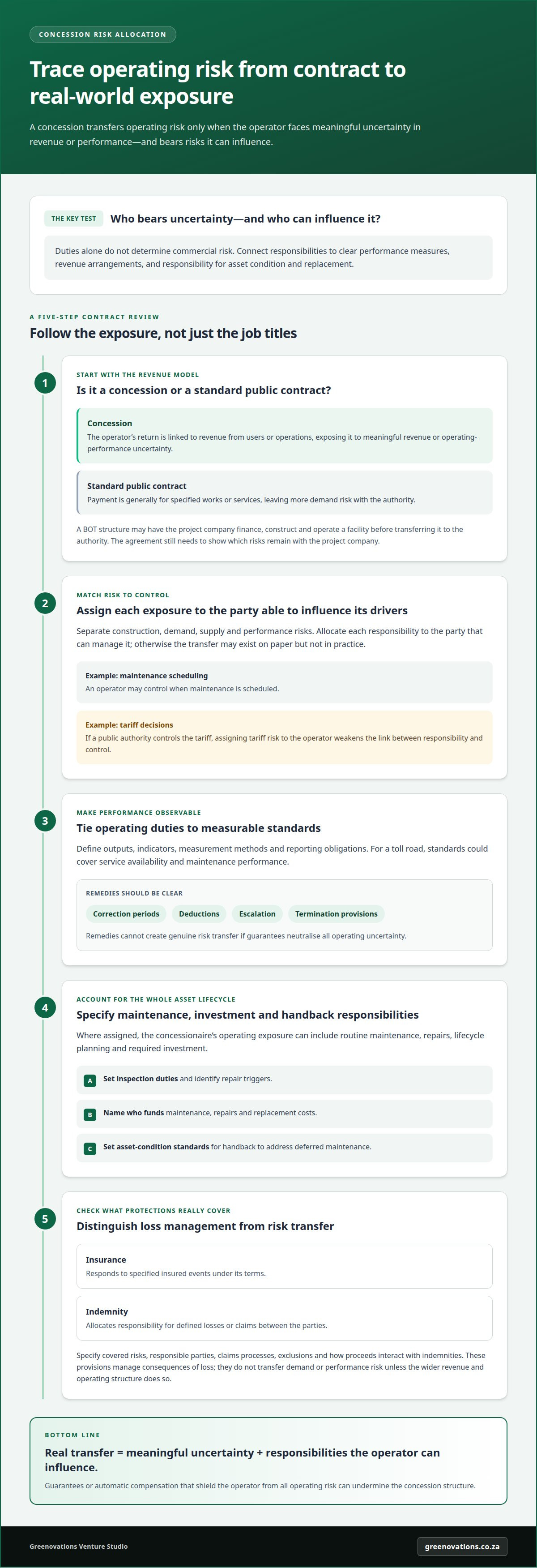
Operating risk transfers when the operator faces meaningful uncertainty in revenue or performance. The contract must link that exposure to responsibilities the operator can manage.
Distinguishing Concessions from Public Contracts
A concession links the operator’s return to revenue from users or operations, rather than relying mainly on a fixed public payment. A standard public contract generally pays for specified works or services, leaving more demand risk with the authority. In a South African public-private partnership, the applicable public-sector procurement and PPP requirements shape the process, while the agreement allocates project risks. Other concessions also depend on their governing procurement framework and contract terms.
EU concessions are governed by Directive 2014/23/EU, according to the European Union. That directive is not South African law. In South Africa, identify the requirements applying to the awarding authority and transaction, then examine how the contract assigns operating exposure.
Construction and Operations Contract Structures
A concession may grant the operator the right to build, operate and maintain an asset for an agreed term. In a build-operate-transfer (BOT) structure, the project company finances, constructs and operates the facility before transferring it to the authority. This differs from a public contract in which the authority funds the asset and pays a supplier to deliver it.
Construction and operations contracts can pass defined risks from the project company to contractors. For example, a BOT company may contract separately for construction delivery and ongoing operations and maintenance. The allocation matters because the project company remains exposed to risks its contracts leave with it. Assigning duties on paper does not, by itself, remove the underlying exposure.
Performance Standards and Contractual Remedies
Performance standards define the outputs the operator must deliver, while contractual remedies specify the consequences of failure. The authority needs measurable indicators, agreed measurement methods and clear reporting obligations. For a toll road, these could cover service availability and maintenance performance, tying operational duties to observable outcomes rather than broad promises.
Remedies should match the breach and the risk allocation. The agreement can set correction periods, deductions or other contractual responses, along with escalation and termination provisions. Clear triggers help the authority enforce performance and help the operator price its exposure. Remedies cannot create genuine risk transfer if guarantees neutralise all operating uncertainty.
Insurance and Indemnity Protections
Insurance and indemnities address different aspects of operational loss. Insurance responds to specified insured events under its terms; an indemnity allocates responsibility for defined losses or claims between the parties. In a toll-road concession, the contract should distinguish insured physical damage from liabilities arising from operational conduct.
Specify the covered risks, responsible party, claims process, exclusions, and how insurance proceeds interact with indemnity obligations. The authority and operator should also define how a claim affects service continuity and reporting. These provisions manage the consequences of loss; they do not transfer demand or performance risk unless the broader revenue and operating structure does so.
Allocation of construction, operation and maintenance risks
Risk allocation works when each obligation sits with the party able to control its drivers. In South African concessions, contracts should link construction, operations, finance and relief events to defined responsibilities.
Construction, Operations and Investment Risks
Construction, operating and investment risks are allocated through delivery duties, operating obligations and funding commitments. A concessionaire generally bears construction and operating risks it controls, including the risk that toll income will not cover its investment. The authority should distinguish construction failure from a demand shortfall, then assign each obligation to the party that controls it. In a BOT project, lenders seek to pass project risks through construction and operations and maintenance contracts. This structure clarifies who performs, funds and retains residual exposure.
Supplier Influence on Risk Allocation
An operator’s influence means its ability to affect the commercial drivers behind an assigned risk. Before transferring demand, supply or performance exposure, an authority should test whether the provider can influence those drivers. For example, an operator may control maintenance scheduling but not a tariff decision made by a public authority. Assigning tariff risk to that operator would weaken the link between responsibility and control. The contract should separate controllable risks from external decisions, giving the transfer operational substance rather than leaving it on paper.
Maintenance, Repairs and Lifecycle Costs
The concessionaire generally operates and maintains the assets, finances required investment and manages asset-related obligations under the concession. Where the agreement assigns them, routine maintenance, repairs and lifecycle planning become part of its operating exposure. For example, a road operator’s maintenance plan should identify inspection duties, repair triggers and funding responsibility. The contract should also allocate replacement costs and set asset-condition standards for handback. These terms determine whether deferred maintenance remains the operator’s exposure or becomes a dispute for the authority.
Force Majeure and Relief Events
Force majeure, change-in-law and relief-event clauses define how specified events affect contractual duties and consequences. They do not automatically remove operating risk: the agreement must state which events qualify and what relief follows. For example, it can require prompt notice, evidence of impact and mitigation steps before granting schedule relief or a financial adjustment. The parties should distinguish exceptional external events from poor performance or ordinary cost pressures. Clear triggers preserve accountability while defining how unavoidable disruption affects service, payment and remedies.
Asset condition and replacement responsibilities
Asset condition is a core operating exposure because deterioration can create repair, investment and service obligations. The concession’s duration should reflect the investment the operator must recover and manage.
Asset Condition and Replacement
In a concession, the operator is responsible for operating and maintaining assets, financing required investment and managing asset-condition risk. The agreement should distinguish routine repairs from major replacements and state who funds each obligation. This allocation affects the operator’s lifecycle exposure and the authority’s position when the assets return at expiry.
Replacement duties may depend on an asset’s expected lifespan and the contract’s condition standards. In a design-build-operate arrangement, an operator may have to replace parts that fail before their expected lifespan. A clear schedule can specify inspection duties, replacement triggers, approval processes and evidence of completed work. These provisions reduce disputes over whether deterioration reflects normal use or inadequate maintenance.
Long-term Asset Management and Maintenance
Long-term asset management links maintenance planning, investment and service continuity across the concession term. Concessions are typically granted for 25 to 30 years, while heavy investment can justify terms of 15, 20 or even 30 years. The appropriate duration should be proportionate to the investment the operator needs to recover, not set independently of the asset plan.
Asset ownership typically remains with the awarding authority, and the asset rights revert to it when the concession ends. The contract should define handback condition, inspection methods, records and responsibility for remedial work. For a municipal waste facility, the agreement should specify the required condition of buildings and operating equipment at handback. This makes lifecycle planning important from the outset, not just at termination.
A practical asset schedule should link each major component to maintenance intervals, condition measures, replacement responsibility and funding. It should also distinguish ordinary wear from defects and delayed renewal. For example, the schedule for a municipal waste facility could specify inspection records and the process for replacing operating equipment. This detail gives the authority a measurable basis for assessing performance throughout the concession.
Operating risk in concessions
Operating risk transfers when the concessionaire faces meaningful uncertainty in revenue or operating performance. The contract should assign risks the operator can influence and define how performance is measured.
Meaning of Operational Risk Transfer
Operational risk transfer in concession agreements means the concessionaire bears commercial consequences when demand, supply or operating performance differs from expectations. Assigned duties alone do not create genuine exposure if the authority absorbs every resulting loss. A South African contract should link revenue arrangements, service obligations and performance measures to show which party bears each consequence. The operator’s exposure need not be total, but it must be meaningful.
Risks Transferred to the Concessionaire
Common transferred risks include demand and footfall, pricing and revenue collection, staffing, maintenance and operating costs, asset condition, lifecycle obligations and service quality. The agreement should define each risk and the levers available to manage it. For example, an operator may control staffing and maintenance, while the authority retains tariff decisions. That distinction affects whether the concessionaire can manage the exposure it accepts.
Consider an illustrative South African transport concession: the operator may bear uncertainty over traffic volumes and toll collection, as well as maintenance costs. In a water concession, the contract could allocate service performance, operating costs and supply-related exposure. For another infrastructure facility, availability standards can link service quality to measurable operating outcomes. These examples describe possible contractual allocations, not specific South African projects.
A robust approach to operational risk transfer in concession agreements identifies each risk driver, assigns it to the party able to influence it, and defines how it will be measured and what consequences follow. If a minimum revenue guarantee removes the operator’s exposure, demand risk may remain with the authority in practice. The decisive test is whether the operator retains meaningful exposure under normal operating conditions.
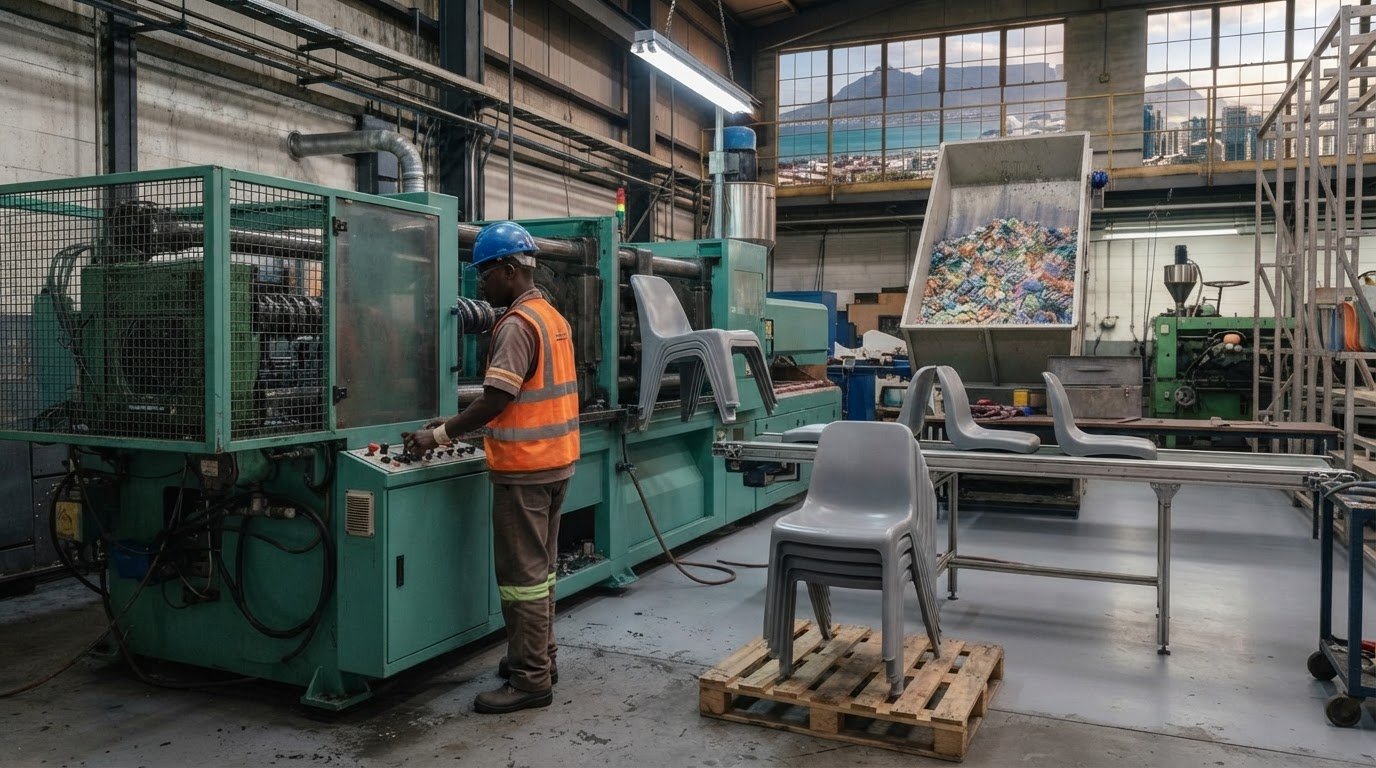
For a service-based infrastructure model, explore Sustainable Seating Infrastructure-as-a-Service.
Greenovations Venture Studio
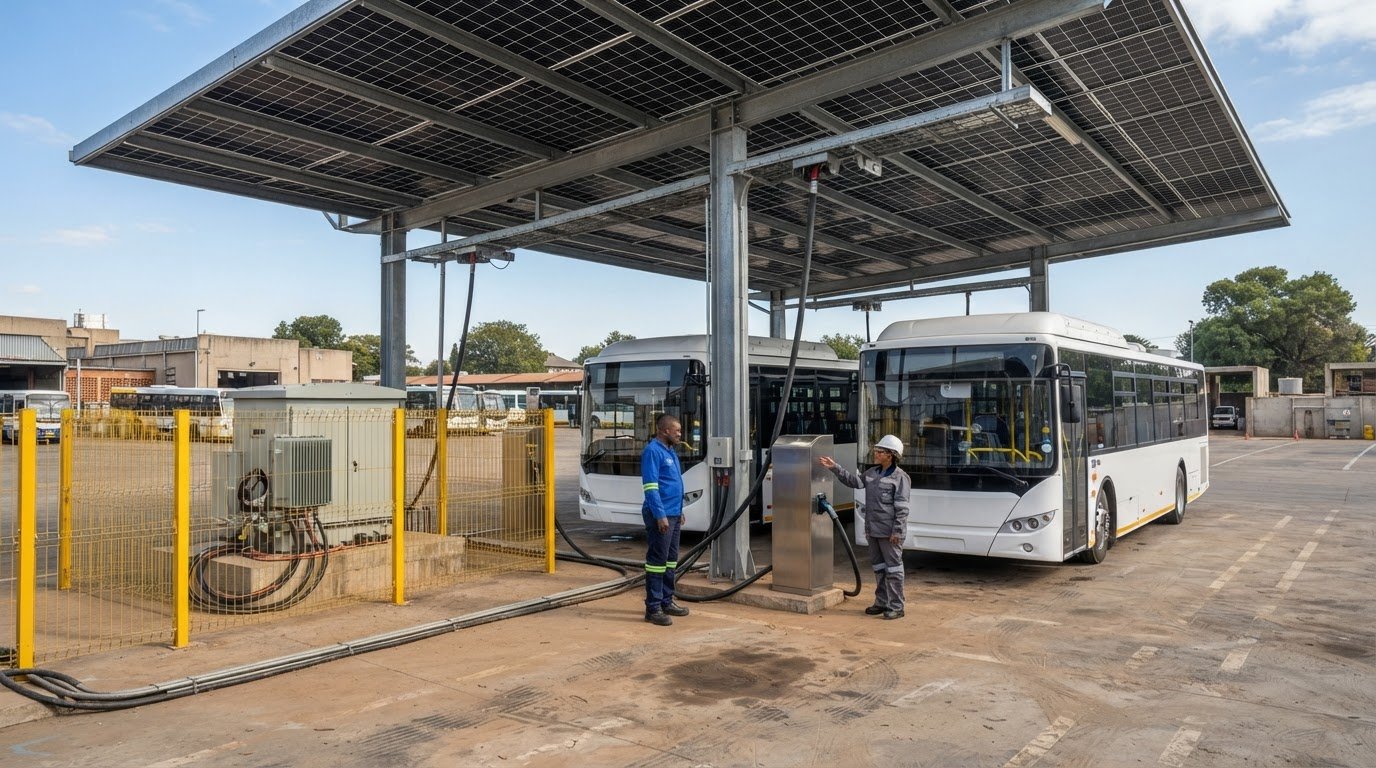
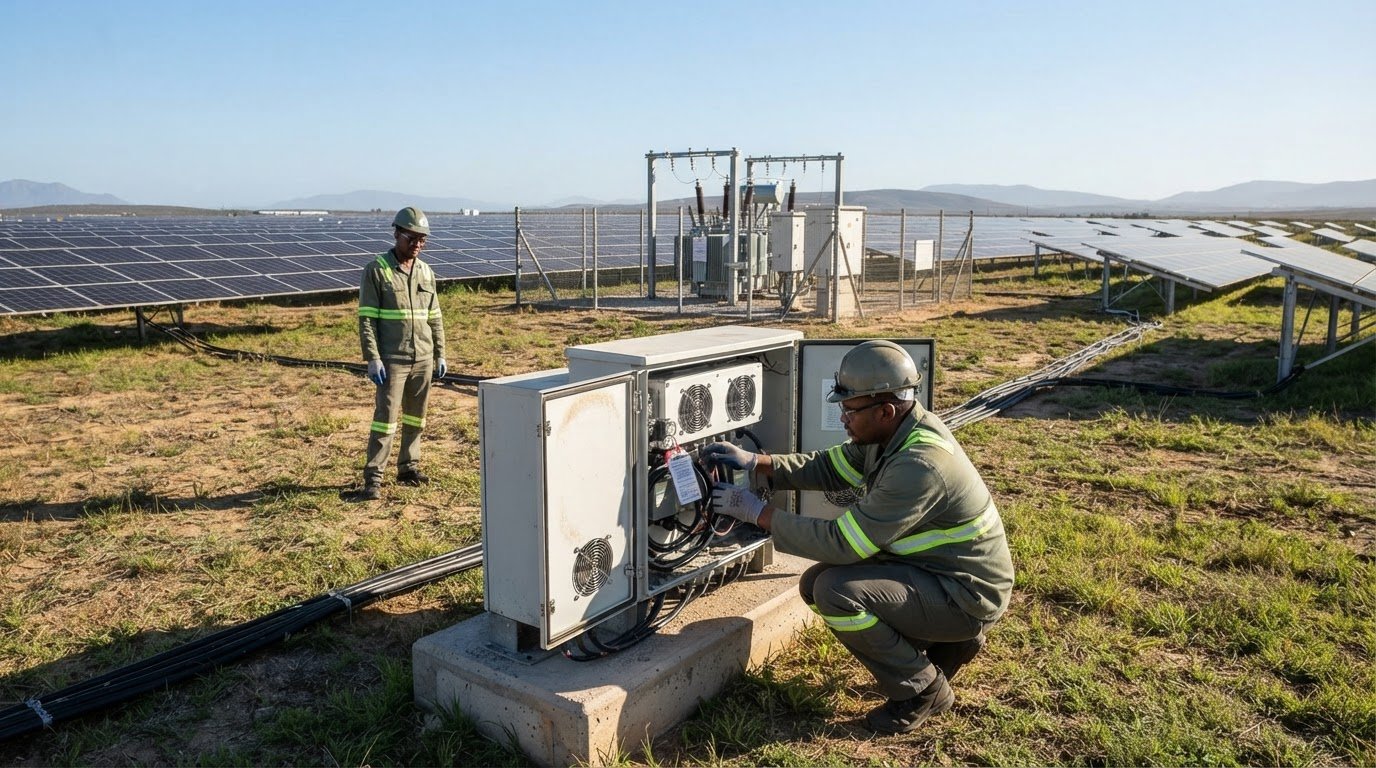
Greenovations Venture Studio is a natural next step when infrastructure decisions call for an operating model alongside clear responsibility for assets and performance. Its infrastructure-focused ventures include an Electric Vehicle Ecosystem, Sustainable Seating Infrastructure-as-a-Service and Solar PV Recycling.
For project sponsors and public-sector partners, the practical question is how operating duties, asset responsibilities and commercial structure fit together. Greenovations builds businesses across the green economy, making it relevant when a project needs more than contract allocation: it needs a viable operating model. This work does not replace legal advice on a concession agreement. It offers a way to explore infrastructure ventures built around operational delivery.
Contact Greenovations Venture Studio to discuss an infrastructure opportunity.
Turn risk allocation into an operating model
The next step is to turn contractual allocation into delivery decisions. Map each material exposure to the party that controls its drivers, then link that responsibility to reporting, funding and operational oversight. This creates a working governance model, not merely a schedule of liabilities.
Operational risk transfer in concession agreements becomes commercially useful when it informs how infrastructure is designed, monitored and maintained. Where a project depends on new operating capabilities, assess whether the delivery model supports measurable performance and clear accountability. This analysis can also reveal gaps between the concession’s intended risk allocation and the resources needed to meet it.
Greenovations Venture Studio develops infrastructure ventures, including Drone-Powered Industrial Intelligence (GII), an Electric Vehicle Ecosystem and Sustainable Seating Infrastructure-as-a-Service. These offerings address distinct infrastructure needs, rather than replacing concession-specific legal advice. Aligning an infrastructure opportunity with a workable operating model is a practical next step.
Contact Greenovations Venture Studio to discuss how an infrastructure opportunity could be structured for delivery. Bring the operating challenge into focus, and build the next decision on clear commercial and operational foundations.
Frequently Asked Questions
How are operational risk and demand risk allocated in South African concession agreements?
South African concession agreements allocate these risks through the revenue model and the operator’s contractual duties. The agreement can place patronage or usage variability with the concessionaire while retaining risks tied to authority-controlled decisions. For example, a transport contract should distinguish changes in passenger volume from a fare decision made by the authority. The allocation is meaningful only if the operator remains exposed to commercial uncertainty it can influence.
How are performance standards, service levels, and penalties defined in concession agreements?
The agreement defines them through measurable outputs, monitoring methods, reporting requirements and consequences for non-performance. A water service concession, for example, could set standards for service availability, response to faults and reporting interruptions. The contract should specify how results are recorded, who reviews them and how breaches are handled. Clear measurement reduces disputes over whether a shortfall occurred and what remedy follows.
How are concessionaire defaults, step-in rights, and termination handled in South Africa?
The concession agreement sets out default events, notice procedures, any opportunity to remedy a breach, step-in rights and termination consequences. Step-in provisions can specify when the authority or a nominated party may temporarily take over certain operations to protect service continuity. The contract should also address control of assets, records and ongoing obligations after termination. The precise rights and process depend on the agreement and applicable public-sector framework.
Visual summary
Planning a project like this?
Talk to the Greenovations venture desk about a No-CAPEX structure.