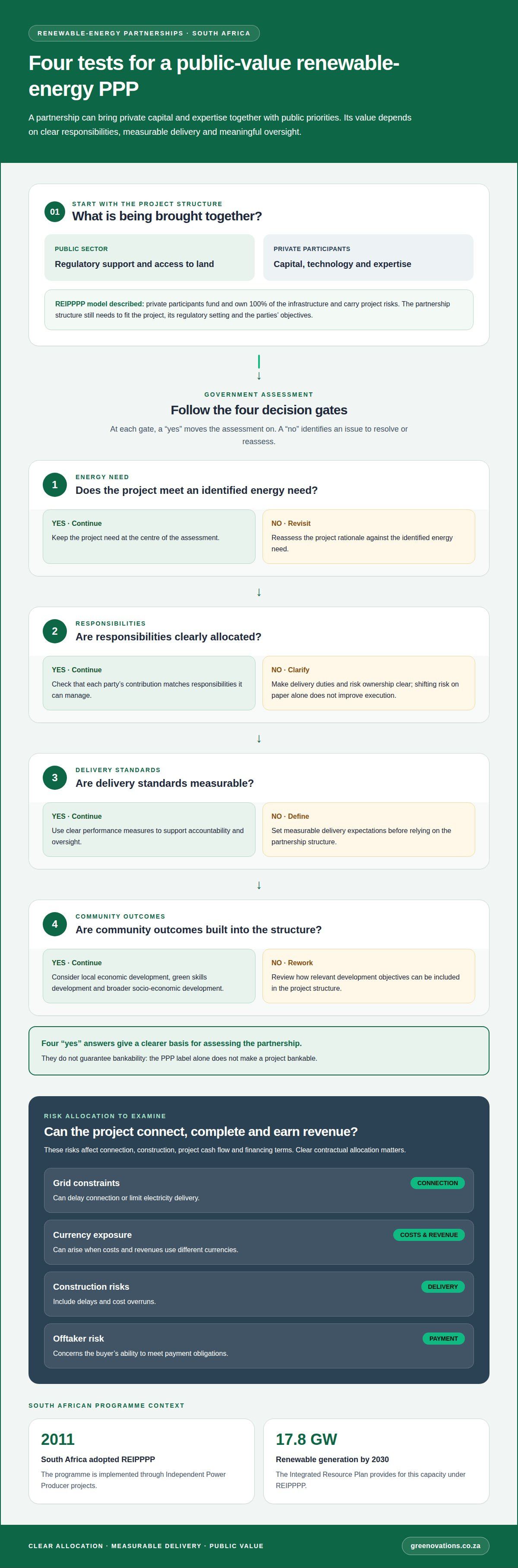
In South Africa, renewable-energy partnerships are not simply public contracts; they allocate capital, ownership and project risk. A public-private partnership for renewable energy brings government and private companies together to develop, finance, build and maintain infrastructure. South Africa adopted the Renewable Energy Independent Power Producer Procurement Programme (REIPPPP) in 2011, implementing it through Independent Power Producer projects. Under this model, private participants fund and own 100% of the infrastructure and carry project risks.
The allocation matters: the public sector may provide regulatory support and access to land, while private participants contribute capital, technology and expertise. The partnership structure must fit the project, its regulatory setting and the parties’ objectives. The label alone does not make a project bankable.
This article explains how renewable-energy PPPs can develop infrastructure, what they may deliver for government, and how South African energy laws, licences and regulations shape the framework. It also explains how project finance, procurement and risk allocation fit together, clarifying the commercial logic before a partnership moves towards delivery.
Key Takeaways
- See how generation assets, grid integration and transmission infrastructure combine to move renewable power from project design towards delivery.
- Understand how a well-structured partnership can bring public-sector objectives together with private capital, technology and operational expertise.
- Identify how South Africa’s energy policy, electricity regulation and procurement framework shape project approvals and participation.
- Explore how Greenovations Venture Studio’s offerings, including Solar PV Recycling and an Electric Vehicle Ecosystem, can support specific infrastructure needs.
Renewable energy technology and infrastructure development
In South Africa, renewable projects combine generation assets with infrastructure to deliver electricity. The REIPPPP provides a procurement route for Independent Power Producer projects.
Financing strategic energy infrastructure
Strategic energy infrastructure is the connected generation, transmission and grid-integration capacity required to supply electricity. Its financing must cover more than the generating technology: transmission lines and connection works also shape whether a project can deliver power. For investors and public bodies, identifying these requirements early helps align capital commitments, project design and delivery responsibilities. South Africa’s Integrated Resource Plan provides for 17.8 gigawatts of renewable generation by 2030 under the REIPPPP.
Grid, currency, construction and offtaker risks
These risks influence whether a project can connect, complete construction and turn generated electricity into revenue. Grid constraints can delay connection or limit delivery, while currency exposure can arise when costs and revenues use different currencies. Construction risks include delays and cost overruns; offtaker risk concerns the buyer’s ability to meet payment obligations. Clear contractual allocation matters because each risk affects financing terms and project cash flow.
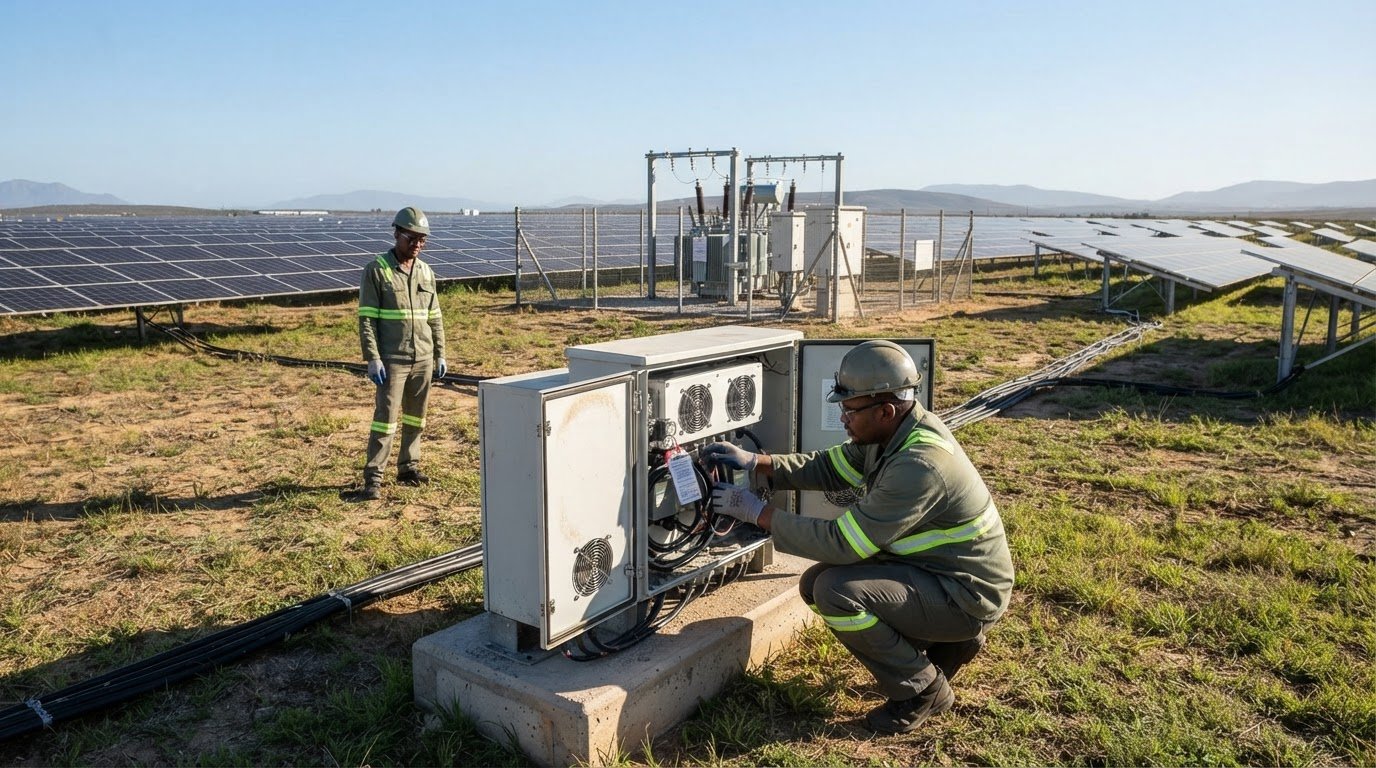
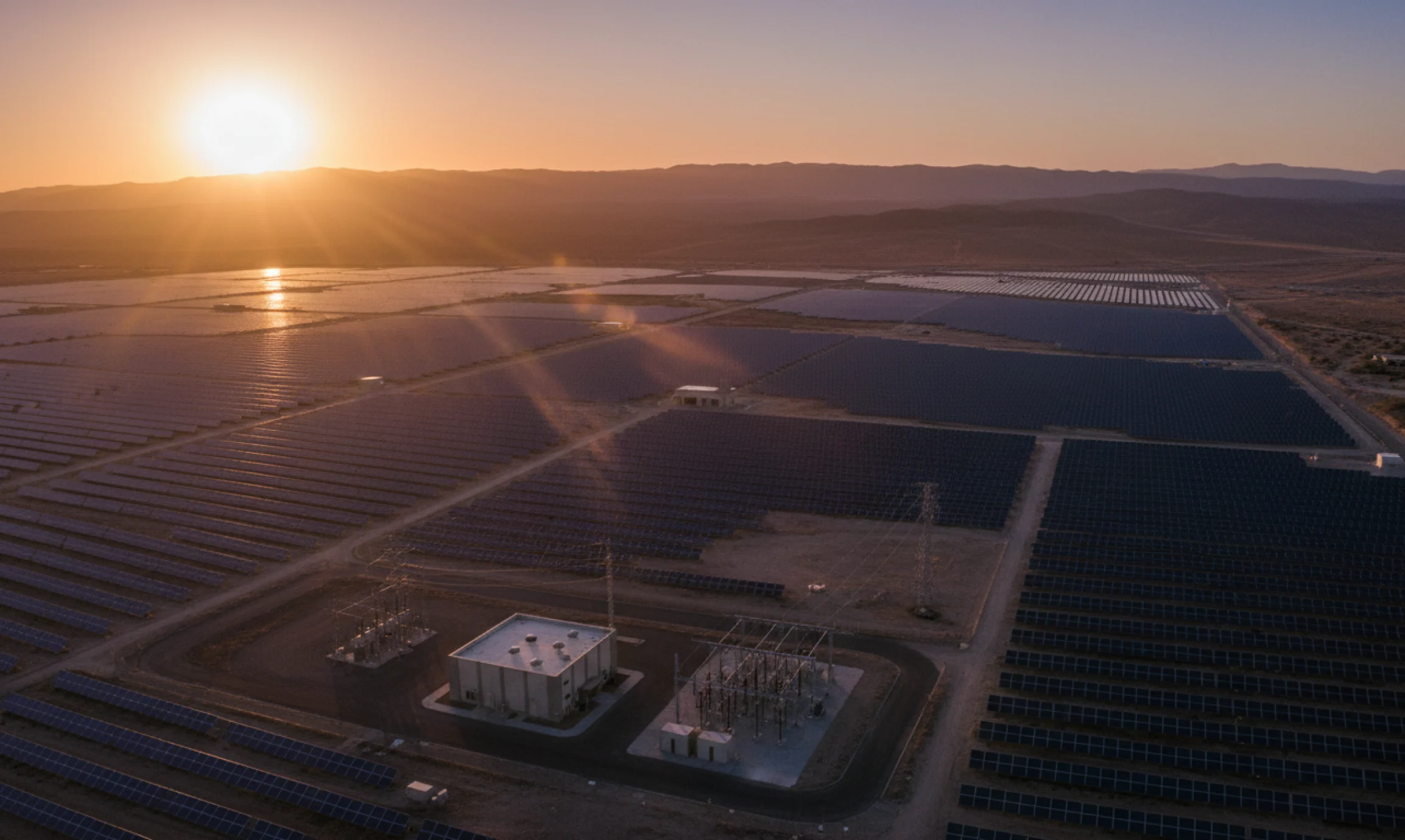
Technology selection must suit both the site and the network, not just the available resource. Solar farms and wind projects need appropriate generation equipment, connection infrastructure and grid-integration solutions. Transmission lines can help private-sector generation reach the electricity system, but connection capacity remains a practical constraint. Technical design therefore informs a project’s capital plan, construction scope and operating assumptions.
South Africa’s 2003 White Paper on Renewable Energy set a 10-year target for diversifying the energy mix through renewable technologies. Development consequently involves more than building generation assets: it also requires coordinating land access, grid connections, construction delivery and long-term operations. A bankable partnership assigns these interfaces clearly, so delays or performance gaps do not become unallocated risks between public bodies and private participants.
Benefits of PPPs for governments
For government, a renewable-energy PPP can mobilise private-sector capital, technology and expertise for projects that public budgets may struggle to deliver alone. Private participation is not free funding: public authorities still need to define outputs, allocate risks and oversee delivery. A sound agreement links each party’s contribution to responsibilities it can manage, rather than shifting risk on paper without improving execution.
Partnerships can also bring specialist capability into project development and operations. Private companies may contribute technical design, construction management and asset expertise, while government bodies provide policy direction and regulatory support. This division can expand delivery capacity, but only when procurement terms, performance measures and accountability are clear. The result is more than a financing channel: it is a contractual structure for aligning public objectives with private execution.
In South Africa, Independent Power Producers contribute to local economic development, green skills development and broader socio-economic development. Project structures can connect infrastructure investment with communities by including relevant development objectives. The distribution of benefits is therefore a material consideration alongside generation capacity and financial performance.
Government can assess a proposal against four linked questions: Does the project meet an identified energy need? Are responsibilities clearly allocated? Are delivery standards measurable? Are community outcomes built into the structure? These tests help distinguish a viable partnership from a capital arrangement that leaves public authorities with unresolved delivery or oversight burdens. They also give investors a clearer basis for assessing obligations and performance.
Public value depends on execution, not the PPP label. A carefully structured project can combine private expertise with public priorities, while weak allocation or oversight can undermine both. For a broader perspective on infrastructure-led solutions, consider how project design can connect assets, operations and long-term public use.
Energy laws, licences and regulatory frameworks
South Africa’s renewable-energy projects operate within policy, electricity regulation and procurement frameworks. The legal structure shapes how projects are authorised, procured and connected to the power sector. It also informs economic analysis: investors assess whether the proposed structure aligns with the applicable framework before committing capital. A partnership agreement cannot replace statutory requirements; it must allocate delivery responsibilities within them.
The Electricity Regulation Act, Act 4 of 2006, authorises the Minister of Energy to determine the scope of new energy. This gives ministerial determinations a role in shaping the generation capacity considered for development. For project participants, the practical analysis is to align the proposed technology and capacity with the applicable determination and procurement route. These are distinct decisions, not interchangeable contractual clauses.
The Renewable Energy Independent Power Producer Procurement Programme provides South Africa’s renewable-energy procurement framework. Its bid-scoring approach received an exemption from the Public Preferential Procurement Framework Act. The programme was permitted to use a 70:30 price-to-non-price weighting, rather than the usual 90:10 split. That weighting makes non-price criteria material to bid evaluation, alongside the price offered.
Treat licences and other authorisations as part of project development, not as a substitute for procurement approval. Their relevance depends on the project’s activities and regulatory context. A disciplined legal and economic analysis maps applicable approvals against design, construction and operation, then assigns responsibility for securing and maintaining them. This makes dependencies clear before financial close and helps prevent contractual milestones from assuming approvals are already in place.
For investors, the key distinction is between policy alignment, procurement selection and regulatory authorisation. The REIPPPP addresses competitive selection, while the Electricity Regulation Act establishes part of the statutory framework. Project documents should reflect these separate functions, define each party’s obligations and account for approval dependencies. This makes compliance visible in the financing plan and delivery schedule, rather than leaving it until the final administrative stages.
Public-private partnerships in the energy industry
In South Africa, energy partnerships operate within a wider system of public planning, private investment and electricity procurement. Their structure determines who funds, owns and operates generation assets.
PPP models compared with other project approaches
A renewable-energy PPP is a public-private arrangement for developing and delivering energy infrastructure, distinct from a private power purchase agreement or a publicly funded project. A PPA centres on a contract to buy and sell electricity between a generator and an offtaker; by itself, it does not define a public partnership. Publicly funded projects rely on public financing, while PPPs allocate roles between public and private parties. This distinction clarifies where capital, ownership and delivery obligations sit.
Operating and planned renewable energy projects
South Africa’s REIPPPP portfolio includes Independent Power Producer projects, with historical delivery milestones showing the scale of its pipeline. As at 31 March 2019, 90 of 92 projects had reached financial close. Commercial operations for the relevant projects were scheduled from late 2019 to 2022. The Integrated Resource Plan provides for 17.8 gigawatts of renewable generation by 2030 under the programme. These figures distinguish completed financing milestones from planned capacity.
The REIPPPP process
The Renewable Energy Independent Power Producer Procurement Programme is South Africa’s competitive framework for procuring renewable generation from private producers. Government sets the procurement context, and Independent Power Producers submit projects for evaluation under the programme’s bid structure. Successful projects then move through financing, construction and commercial operation. Bidders should distinguish these stages: selection is not financial close, and financial close is not operational delivery.
Developing and bidding for a renewable energy PPP
Development begins by aligning a proposed project with South Africa’s energy-planning and procurement framework. The project company then develops its technical, commercial and financing case for the relevant bid process. Bid evaluation precedes selection; financing arrangements and project agreements support financial close, followed by construction and operation. Each stage depends on the previous one, so gaps in project design or contractual allocation can weaken delivery readiness. Project teams examining industrial infrastructure can explore Drone-Powered Industrial Intelligence (GII) as a related capability.
Greenovations Venture Studio
Greenovations Venture Studio builds and invests in green-economy businesses, making it a relevant partner when an energy project needs complementary infrastructure or an investable operating model. Its No-CAPEX model deploys infrastructure without upfront capital expenditure from partners. This addresses a different need from REIPPPP bidding: developing commercial capabilities and infrastructure that can support wider energy-system transformation.
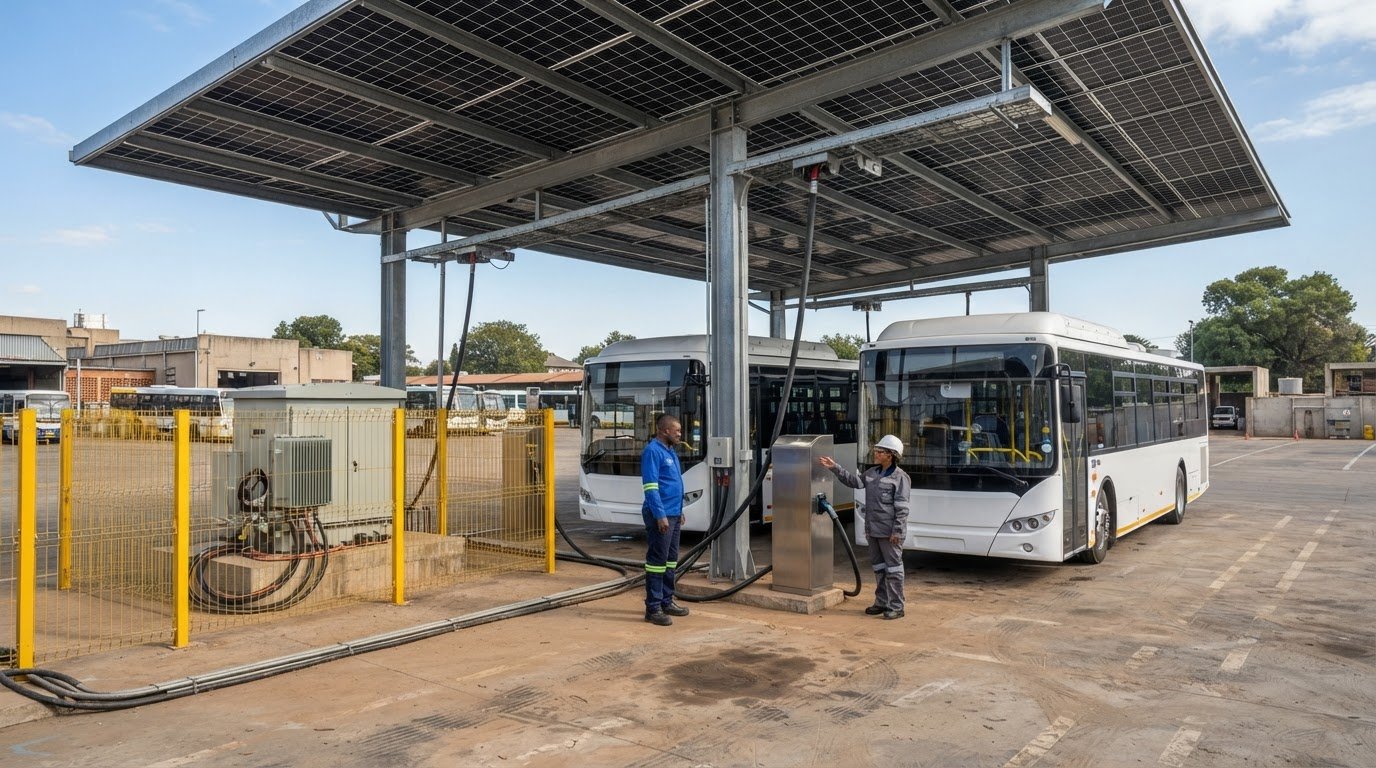
Relevant offerings include Solar PV Utility Hubs, the Electric Vehicle Ecosystem, Solar PV Recycling and Drone-Powered Industrial Intelligence (GII). Delivered under a No-CAPEX model, each addresses a distinct infrastructure or operational need, rather than replacing procurement, licensing or project-finance requirements. Consider Greenovations when assessing these complementary capabilities as part of a broader energy strategy.
Contact Greenovations Venture Studio to discuss your infrastructure priorities.
Turn project priorities into an actionable brief
Start by defining the project need the partnership must solve. A public-private partnership for renewable energy is a delivery structure, not a substitute for a clear asset requirement, operating model or allocation of responsibilities. Specify the infrastructure objective, intended users and interfaces that must work together. This brief gives public and private participants a practical basis for deciding whether the proposed structure fits.
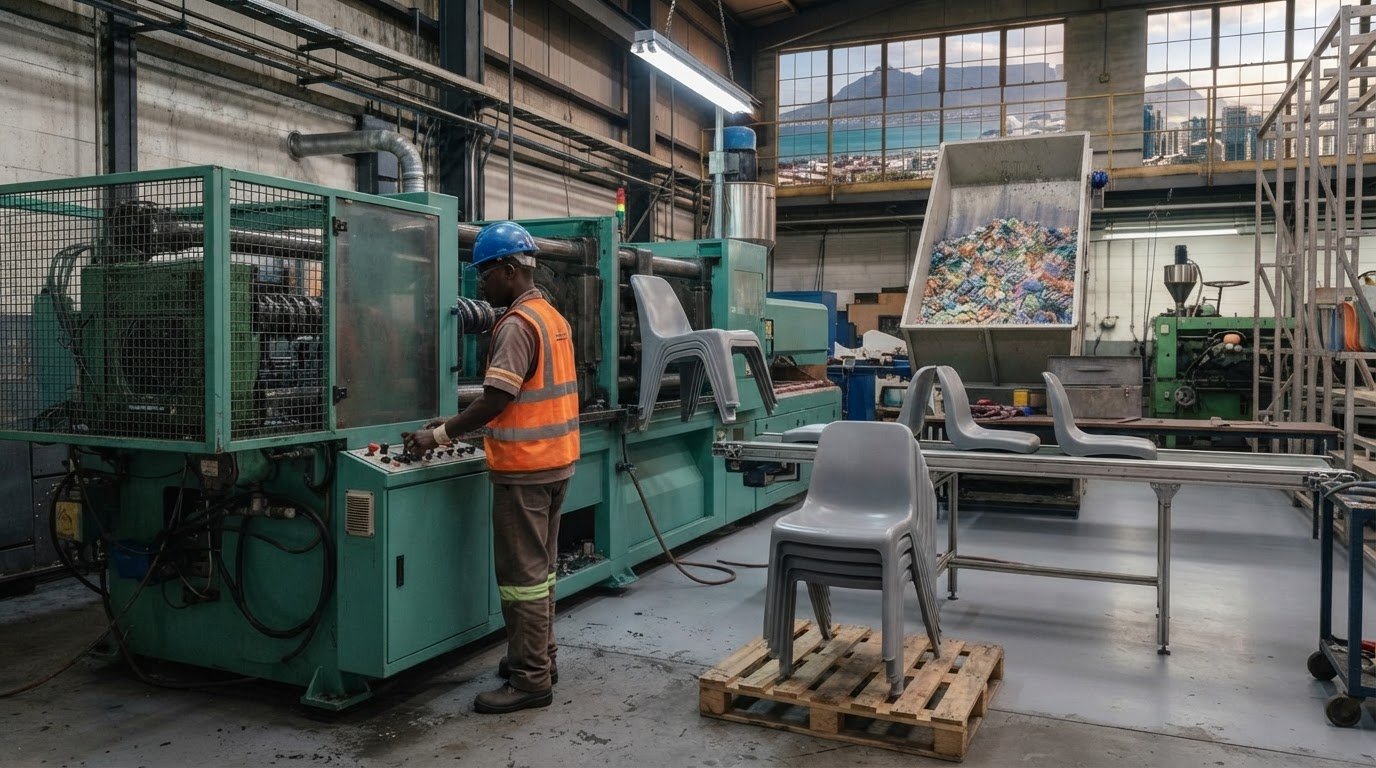
Complementary infrastructure can also shape project delivery. Greenovations Venture Studio offers Drone-Powered Industrial Intelligence (GII), the Electric Vehicle Ecosystem and Sustainable Seating Infrastructure-as-a-Service, all under a No-CAPEX model. These capabilities address distinct requirements and can inform wider infrastructure planning alongside energy projects.
Bring your project priorities into a focused discussion before committing to a delivery structure. Discuss your infrastructure priorities with Greenovations Venture Studio and identify a practical next step.
Frequently Asked Questions
What is a public-private partnership for renewable energy?
A public-private partnership for renewable energy is a contractual arrangement in which public and private parties coordinate the development and delivery of an energy project. Its defining feature is how responsibilities, resources and risks are allocated, not simply the presence of private investment. For example, an agreement can specify who develops project infrastructure and how public objectives are incorporated into delivery.
What are the eligibility requirements and procurement rules for renewable energy PPPs in South Africa?
Eligibility and evaluation depend on the requirements for the relevant procurement round. In South Africa, the REIPPPP procures renewable generation through Independent Power Producer projects, with bids assessed under its procurement framework. Prospective bidders should build submissions around the published criteria, project structure and required evidence. These criteria determine whether a bid qualifies and how it is evaluated, and should not be assumed to remain identical across rounds.
How are renewable energy PPPs financed, and what are typical project costs and tariffs in South Africa?
Financing and tariffs depend on project scope, procurement terms and arrangements for selling electricity. There is no single cost or tariff for all South African projects: technology, site conditions, grid connection, construction and financing all affect the economics. Under the REIPPPP model, private participants fund and own the infrastructure. Bid tariffs and project costs must therefore be assessed within the specific project’s commercial structure.
What licences, environmental approvals and grid connection requirements apply to renewable energy PPPs in South Africa?
Requirements depend on the project’s technology, location, capacity and activities. Project planning should map applicable electricity authorisations, environmental approvals and grid-connection requirements against the design and delivery schedule. Electricity regulation forms part of the broader framework for energy development. Grid integration and connection arrangements also affect whether generated power can be delivered.
Visual summary
Planning a project like this?
Talk to the Greenovations venture desk about a No-CAPEX structure.