
Green infrastructure in South Africa is financed through a mix of public funding, development finance and private capital, structured around a project’s preparation, risk and revenue profile. The practical answer to how to finance green infrastructure in South Africa starts with making the project investable: South Africa’s estimated annual climate-finance needs reach up to R499 billion, while tracked climate finance averaged R188.3 billion per year in 2022-2023.
Capital is available, but grants and concessional funding make up less than 15% of tracked flows, so bankable project design matters. This article explains how project preparation affects funding limits, where private finance fits, and how incentives can support environmental performance and commercial value. It also sets out what to assess before choosing a funding structure, from cash flows and repayment periods to measurable project outcomes.
Key Takeaways
- Build a finance-ready project case with at least three years of financial projections when applying to the Green Fund, and align funding duration with the project’s economics and risk profile.
- Compare private-sector debt with other funding routes, as debt is one potential source of climate finance.
- Assess incentives against measurable project outcomes, including the report’s approximately 7% one-off concessionary benefit for eligible projects.
- Define the infrastructure’s environmental performance and eligibility evidence early; certification and standards can shape how projects are assessed for green finance.
Funding limits for project preparation and investment
Funding depends on project readiness, repayment capacity and measurable outcomes. To understand how to finance green infrastructure in South Africa, match the capital structure to the asset’s economics, risks and expected revenue.
Funding and refinancing options
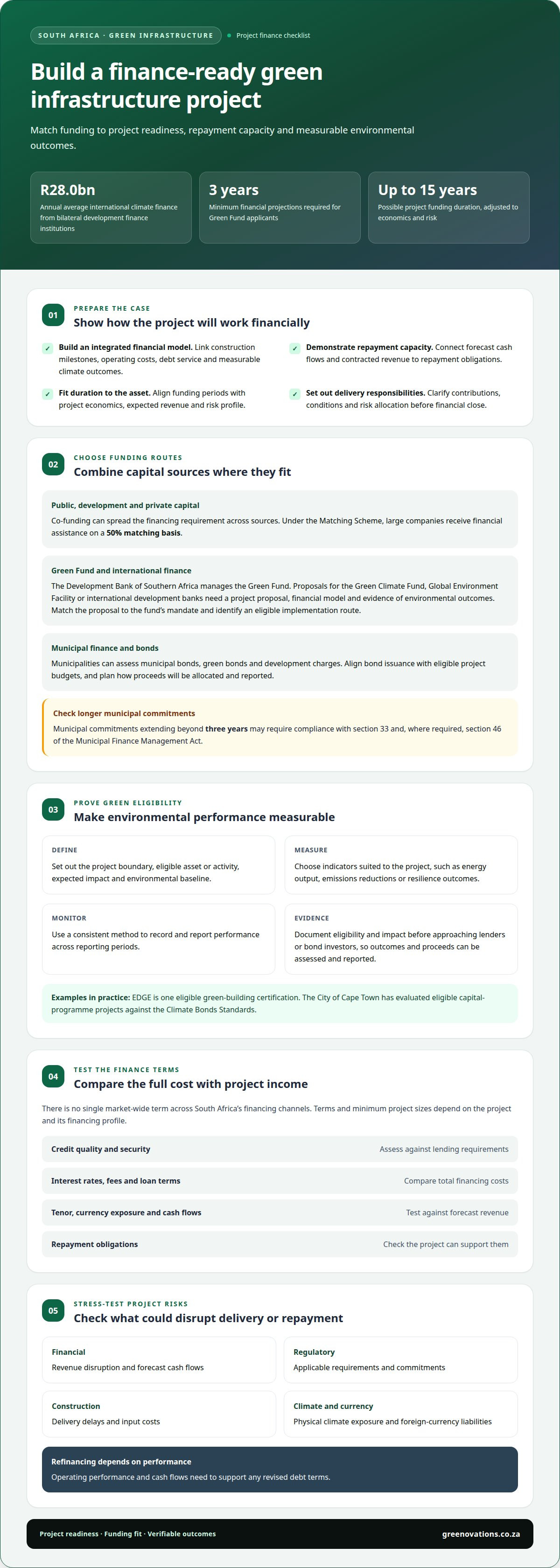
Developers can combine domestic funding, international climate finance and refinancing against established project cash flows. Bilateral development finance institutions provided South Africa with an annual average of R28.0 billion in international climate finance. Green Fund applicants must provide financial projections for at least three years, and project funding can run for up to 15 years, adjusted to its economic and risk profile.
Measure and report impact using a baseline, defined indicators and consistent monitoring, such as energy output, emissions reductions or resilience outcomes. Municipalities can assess municipal bonds, green bonds and development charges as funding routes. For bond financing, align the issuance amount with eligible project budgets and plan how proceeds will be allocated and reported. Municipal commitments extending beyond three years may require compliance with section 33 and, where required, section 46 of the Municipal Finance Management Act.
Co-funding and investment leverage
Co-funding combines public, development-finance and private capital, spreading the financing requirement across sources. Under the Matching Scheme, large companies receive financial assistance on a 50% matching basis. Set out each participant’s contribution, conditions and risk allocation before financial close.
To seek funding from the Green Climate Fund, Global Environment Facility or international development banks, prepare a project proposal, financial model and evidence of environmental outcomes. Match the proposal to the fund’s mandate and identify an eligible implementation route. The Development Bank of Southern Africa manages the Green Fund.
Project eligibility and green classification
Green infrastructure needs a clearly defined asset or activity and a measurable environmental outcome. EDGE is one example of eligible green-building certification. The City of Cape Town has evaluated eligible capital-programme projects against the Climate Bonds Standards.
Document the project boundary, expected impact, baseline and monitoring method before approaching lenders or bond investors. This provides an auditable basis for assessing eligibility, allocating proceeds and reporting outcomes.
Finance terms and project thresholds
Interest rates, fees, loan terms and minimum project sizes depend on credit quality, security, tenor, currency exposure and forecast cash flows. No single market-wide term applies across South Africa’s financing channels. Compare total financing costs and repayment obligations with contracted revenue.
To decide how to finance green infrastructure in South Africa, test financial, regulatory, construction, climate and currency risks against the project model. Assess revenue disruption, delivery delays, input costs, physical climate exposure and foreign-currency liabilities. Refinancing will depend on operating performance and cash flows that can support revised debt terms.
Banks and other private-sector finance providers
Private-sector capital is central to South Africa’s climate-finance market, but lenders require commercial discipline. Market-rate debt accounted for 45.0% of tracked climate finance flows in 2022-2023. Developers should therefore structure projects around predictable cash flows, credible repayment capacity and clearly allocated delivery risks, not environmental objectives alone.
South African commercial banks contributed an annual average of R36.6 billion in domestic climate finance during 2022-2023. Their lending can support infrastructure where projected revenues, security and operating performance align with credit requirements. Prepare an integrated financial model that links construction milestones, operating costs, debt service and measurable climate outcomes.
Bank disclosures also show how private capital is being classified and tracked. Absa reported total sustainable liabilities of R6,879,850,000. FirstRand’s first green-bond allocation report assigned 20% of its allocation to green buildings, while Nedbank reported R3,309,165,984 in green-bond proceeds still to be applied. These examples show why allocation records and transparent reporting matter to investors.
For project preparation, choose measures that link financing to verifiable performance. Relevant indicators include green-building certification, floor area, energy-efficient property area, estimated emissions reductions, green-home mortgages and beneficiaries. Select indicators suited to the asset, establish a baseline and record results consistently across reporting periods. This gives lenders a traceable basis for assessing impact and allocated proceeds.
Private finance also operates within wider market frameworks. The Sustainable Banking Network was established in 2012 to encourage sustainable-banking policies or road maps. The Global Investors for Sustainable Development Alliance groups 30 CEOs, asset managers, banks and bourses. South Africa’s Infrastructure Fund was set up to mobilise private-sector finance over a 10-year period. For a financing proposal, identify the lender’s mandate, required evidence, security structure and repayment source before seeking terms. Aligning those elements early makes the project easier to assess without treating a green label as a substitute for credit quality.
Green finance incentives and their environmental and economic benefits
Incentives can improve project economics when funding terms align with measurable outcomes. Assess the concession, applicable rules and operating benefits separately.
Applicable rules and incentives
South African project finance must account for public procurement requirements, municipal finance rules and the project’s tax treatment. A proposed public-sector measure could require at least 30% of public procurement in Africa to go to green projects or be used as green finance. South Africa’s National Strategy for Sustainable Development and Action Plan covered 2011-2014.
For tax and procurement decisions, model the asset’s ownership, revenue and contracting structure against applicable requirements. The reported one-off concessionary benefit for eligible projects is approximately 7%; treat it as a financing benefit, not automatically as a tax deduction. National Treasury guidelines have been recommended to clarify how existing public-finance legislation applies to climate projects, including long-term budgeting and green procurement.
Environmental and economic benefits
Quantify benefits through project-specific indicators, then connect them to operating performance. A Stanford University estimate says a 100% renewable energy system could save a further R180 trillion per year by reducing health and ecological effects associated with fossil-fuel pollution. Use this as a broad system-level estimate, not a forecast for an individual asset.
Localised infrastructure can also produce measurable climate-resilience outcomes. One cited study found neighbourhoods with green infrastructure policies had surface temperatures 1.5-3.8 °C lower than similar neighbourhoods without those policies. For an investment case, record the baseline, define the intervention and track the resulting change. That evidence can support lender reporting while showing how environmental performance relates to operating value, exposure and long-term asset resilience.
Apply the same discipline to incentives: identify eligibility criteria, quantify the concession’s effect on financing, and document the outcome required. A 7% concession changes project economics only when its terms fit the cash-flow model. Keep projected savings distinct from measured results, and report both against a defined project boundary.
What counts as green infrastructure in South Africa, and which projects qualify for green finance?
Green infrastructure is defined by an asset’s function and measurable environmental outcomes, not its label. South African projects may include renewable energy, energy storage, efficient buildings, waste management and climate adaptation. Lenders assess the activity, expected impact, delivery plan and evidence supporting its green classification.
Start by defining the project boundary and the environmental result the asset is expected to deliver. For a solar facility, connect its generation profile to expected emissions reductions and operating data. For an adaptation project, specify the climate exposure it addresses and the infrastructure outcomes it aims to achieve. Distinguish direct project impacts from wider system benefits.
South Africa’s tracked climate finance averaged R188.3 billion per year in 2022-2023, but funding was not evenly distributed. Energy received R139.5 billion annually, while adaptation received 11.3% of tracked finance. These allocations show why project sponsors should demonstrate a clear fit with the financing objective, rather than assume every environmentally beneficial asset qualifies.
Prepare an evidence pack for assessment: project description, baseline, performance indicators, monitoring method, budget and implementation plan. For a building, include certification and energy-performance information where relevant. For infrastructure with public benefits, distinguish measurable environmental outcomes from social or service-delivery claims. Consistent records help lenders and investors assess eligibility and track financed activities.
Classification is a financing input, not a substitute for commercial appraisal. Investors also assess construction delivery, operating performance, revenue reliability and risk allocation. Align the project’s environmental criteria with its contracts and reporting process before seeking finance. This makes the green case auditable and allows the funding structure to reflect the asset’s actual performance. To advance an infrastructure concept, discuss project development.
Greenovations Venture Studio: Drone-Powered Industrial Intelligence (GII)
Greenovations Venture Studio can support organisations developing green infrastructure that needs an industrially focused solution. Its Drone-Powered Industrial Intelligence (GII) offering is relevant when drone-powered intelligence is part of the project concept. Fit the solution to the asset’s operational requirements and the project’s delivery needs.
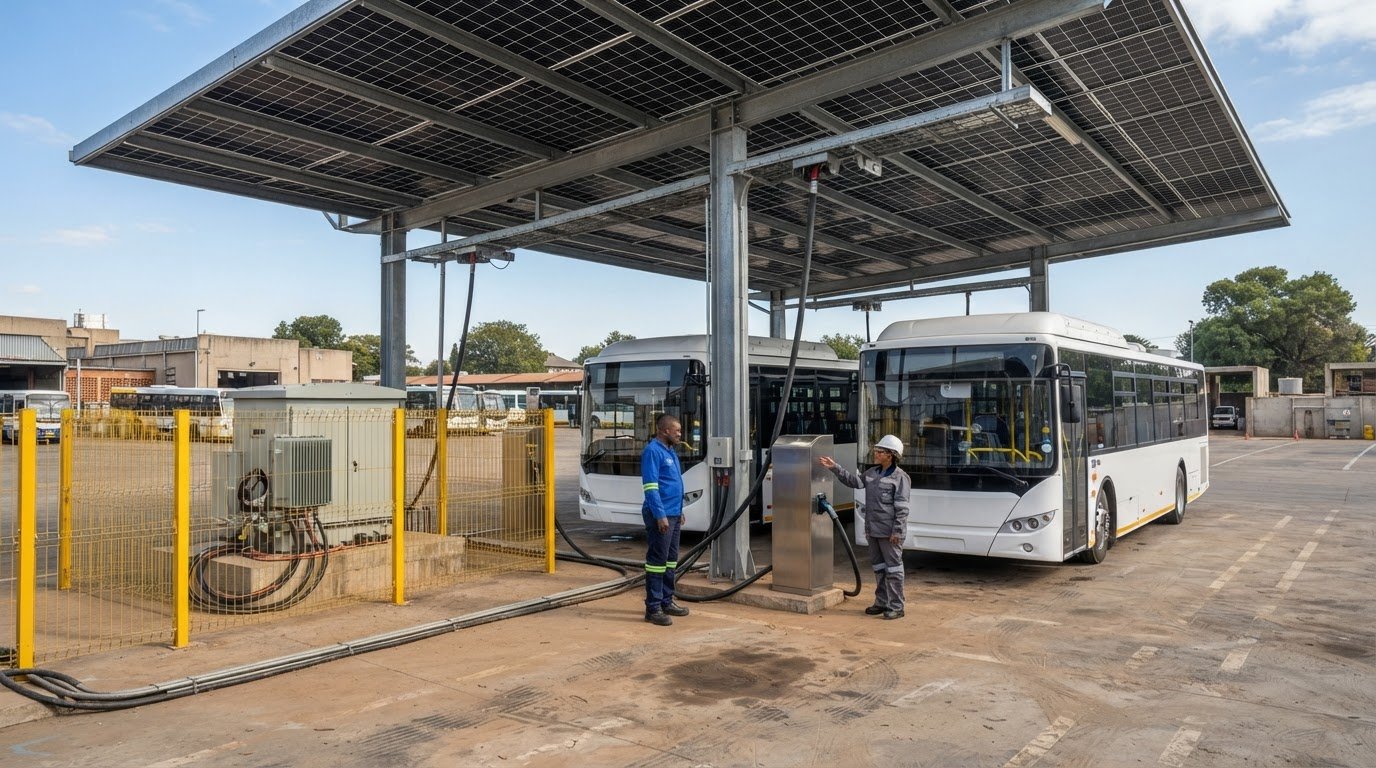
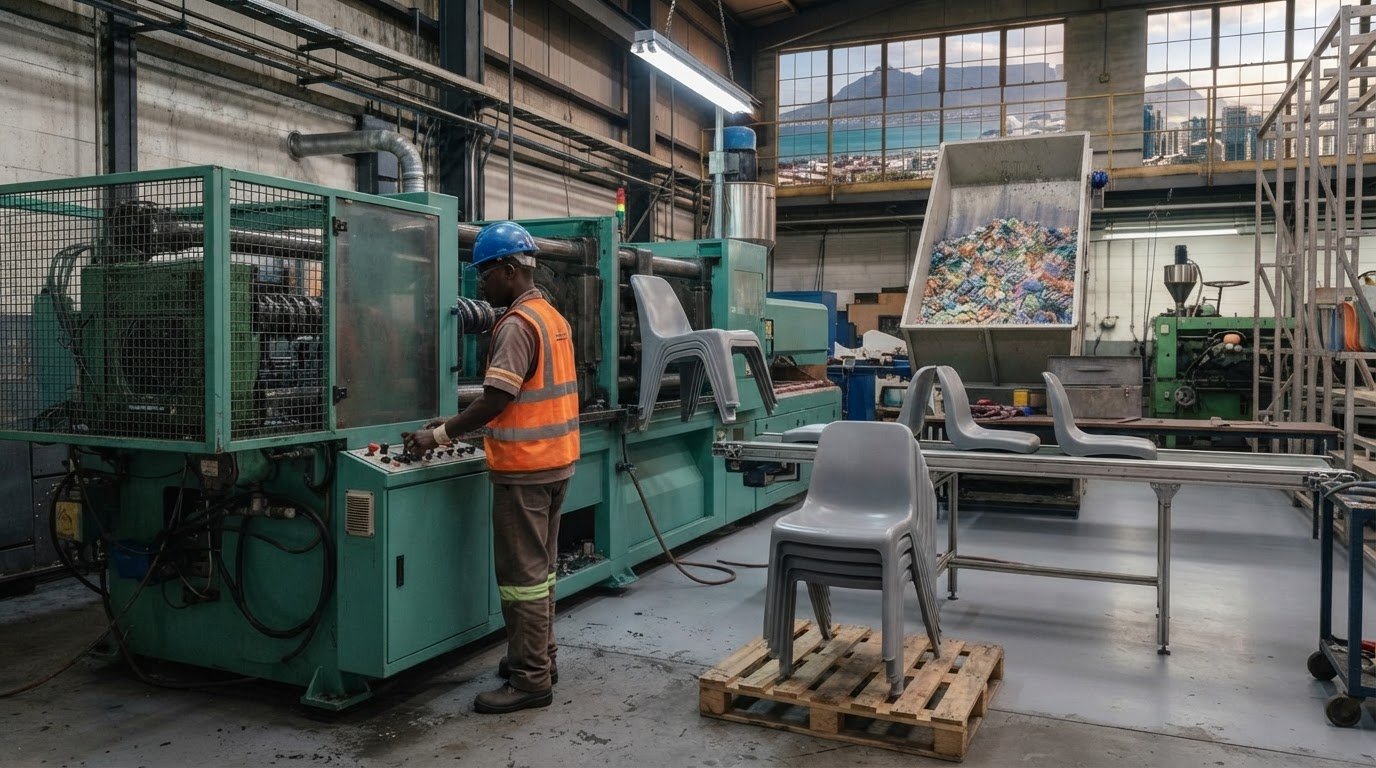
Greenovations Venture Studio also offers an Electric Vehicle Ecosystem, Sustainable Seating Infrastructure-as-a-Service, Solar PV Recycling and Solar PV Utility Hubs, each addressing a distinct infrastructure need. These are not passive grant funding or residential solar installation. Define the project’s operational requirements first, then identify the offering that aligns with them.
Contact Greenovations to discuss your infrastructure requirement and the relevant offering.
Turn a viable concept into an executable project
The next step is to turn an infrastructure objective into a defined project with clear operating requirements, accountable delivery and a financing structure suited to its revenue profile. A disciplined approach to how to finance green infrastructure in South Africa starts with this alignment: establish the scope, identify the evidence investors need and connect environmental outcomes to operational performance.
Greenovations Venture Studio offers Drone-Powered Industrial Intelligence (GII), an Electric Vehicle Ecosystem and Sustainable Seating Infrastructure-as-a-Service. Each addresses different infrastructure requirements, so define the operational challenge before selecting an approach. A green label alone is not enough: the project must be designed for implementation and assessment on its merits.
Bring your project requirements into a practical discussion with Greenovations Venture Studio. A clear brief gives the next conversation a firm starting point and helps move a viable concept towards delivery.
Frequently Asked Questions
What South African government grants, subsidies, and funding programmes support green infrastructure?
South African funding options include the Green Fund, the Clean Technology Fund and the Global Environment Facility. The Development Bank of Southern Africa is accredited as a National Implementing Entity for the Global Environment Facility. Developers can also assess international development finance and applicable concessionary programmes. Treat grant funding as one part of a capital stack, and match each programme’s mandate to the project’s activities and implementation structure.
Which South African banks and development finance institutions offer loans for renewable energy, water, transport, and nature-based projects?
South African commercial banks include Absa, FirstRand and Nedbank, while the Development Bank of Southern Africa is a domestic development finance institution. Bilateral development finance institutions and international development banks also contribute climate finance. The right lender depends on the project sector, revenue model, security and risk allocation. Make the financing case specific to the sector: a lender’s climate portfolio does not mean every project type meets its lending criteria.
What are the eligibility criteria, application steps, and documents required for South African green infrastructure funding?
Eligibility typically depends on the fund’s mandate, the project’s environmental purpose and its commercial viability. Prepare a concise project dossier containing the business case, financial model, implementation plan, ownership structure, risk register and evidence for the claimed environmental outcomes. Map the project against the fund’s criteria, complete its application process and submit supporting records in the required format. Keep assumptions consistent across the proposal and model.
How can public-private partnerships and blended finance fund green infrastructure projects in South Africa?
Public-private partnerships combine public requirements with private delivery and capital. Blended finance combines funding sources to allocate risk and improve project viability. A municipal waste project may use a design-build-finance-operate-transfer concession, with revenue linked to municipal service payments, waste tipping fees and sales of recovered materials or energy. Define performance obligations, payment mechanisms and risk ownership in the contract before financial close.
Visual summary
Planning a project like this?
Talk to the Greenovations venture desk about a No-CAPEX structure.