
A solar PPA shifts the upfront system investment and operating responsibility to a provider; the business pays for the electricity the system generates at an agreed tariff. Understanding how a solar PPA works starts with that exchange: the provider owns and operates the system, while the customer buys its power under a contract that typically runs for 10 to 25 years.
A solar PPA lets a business avoid funding a solar system upfront and buy its electricity at an agreed tariff. The actual savings depend on more than the headline rate: solar generation, the site’s electricity demand, tariff changes and how the contract allocates costs all matter.
This guide explains how does a solar PPA work in South Africa, including onsite and virtual arrangements, payment and savings calculations, and contract terms to review. It also covers common end-of-term options, such as extending the agreement, removing the system or purchasing it. Understanding the costs and obligations helps businesses assess a long-term commitment.
Key Takeaways
- Distinguish a solar PPA from buying a system outright or renting roof space by identifying who owns the equipment and what the business pays for.
- Assess contract duration, maintenance responsibilities and end-of-term choices as part of the deal’s long-term commercial terms.
- Compare the PPA tariff with the electricity it replaces, accounting for system output and any scheduled price increases.
- Use fixed-price and escalator structures to understand how the rate may change over the agreement and what that means for projected savings.
What is a solar power purchase agreement?
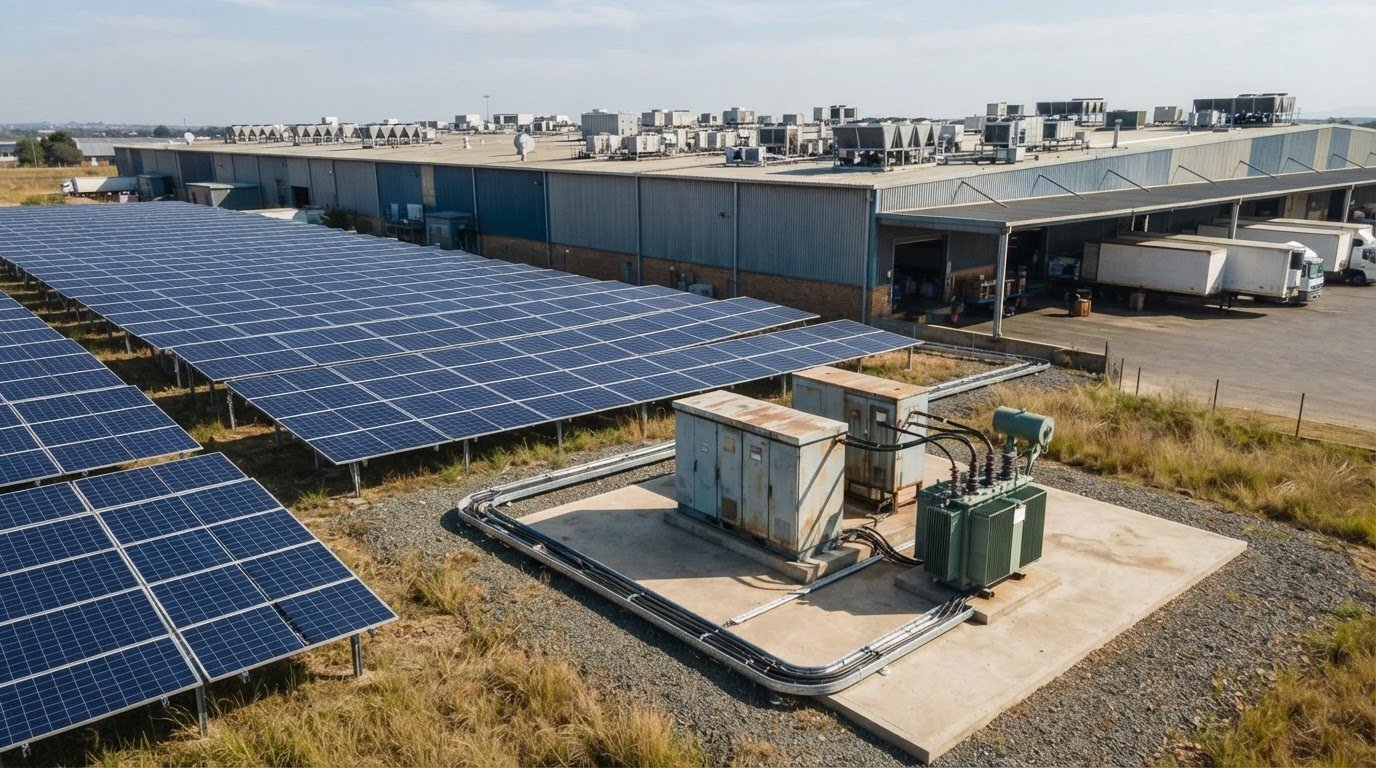
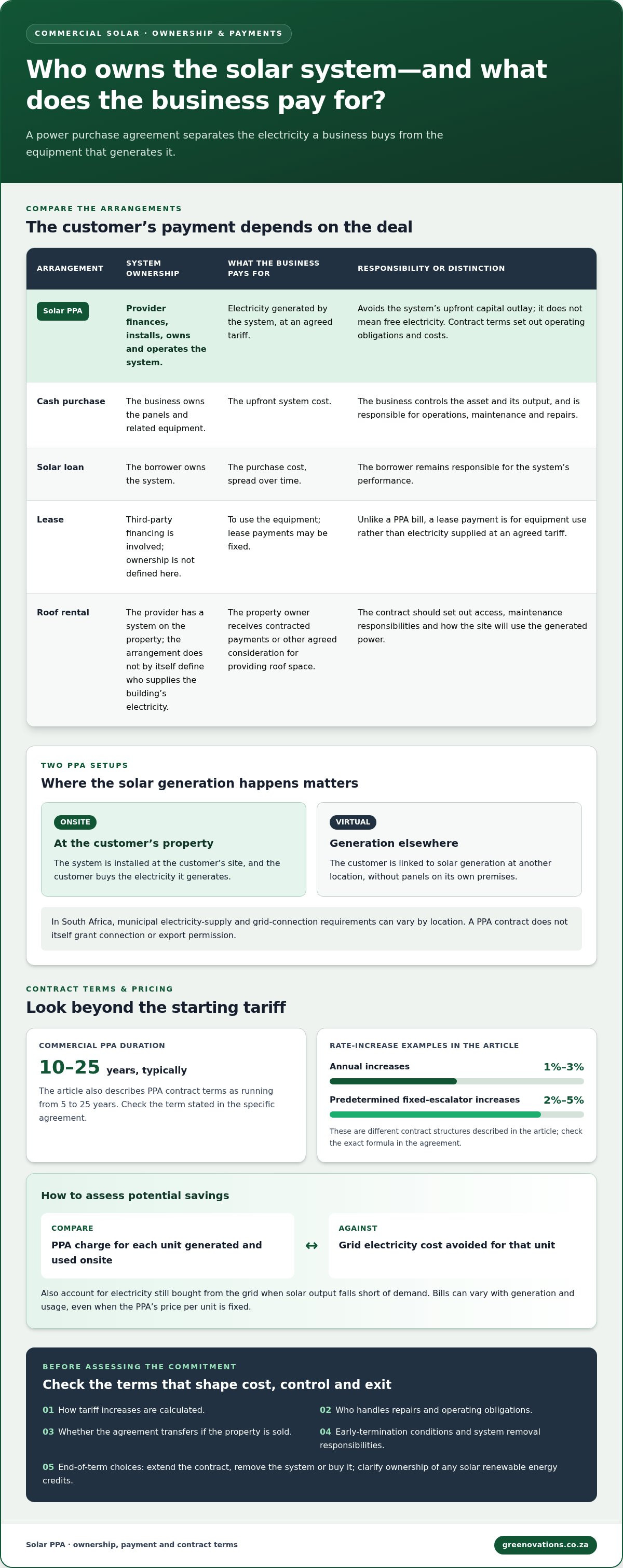
A power purchase agreement (PPA) separates solar energy from ownership of the equipment. The provider finances, installs, owns and operates the system, while the customer pays for electricity it generates at an agreed tariff. Commercial solar PPAs typically run for 10 to 25 years. The central advantage is avoiding the system’s upfront capital outlay, not receiving free electricity. The customer remains responsible for paying for power consumed under the agreement.
With a cash purchase, the business pays the upfront cost and owns the panels and related equipment. It controls the asset and its output, while taking responsibility for operations, maintenance and repairs. A solar loan spreads the purchase cost over time, but the borrower still owns the system and is responsible for its performance. In either case, savings depend on generation and the value of the electricity the system replaces.
A lease also involves third-party financing, but the customer pays to use equipment rather than buying its electricity. Lease payments may be fixed, while a PPA bill is based on the electricity supplied at the agreed tariff. Roof rental is different: the property owner provides space for a provider’s system in return for contracted payments or other agreed consideration. That arrangement alone does not determine who supplies electricity to the building. The contract should set out access, maintenance responsibilities and how the site will use the generated power.
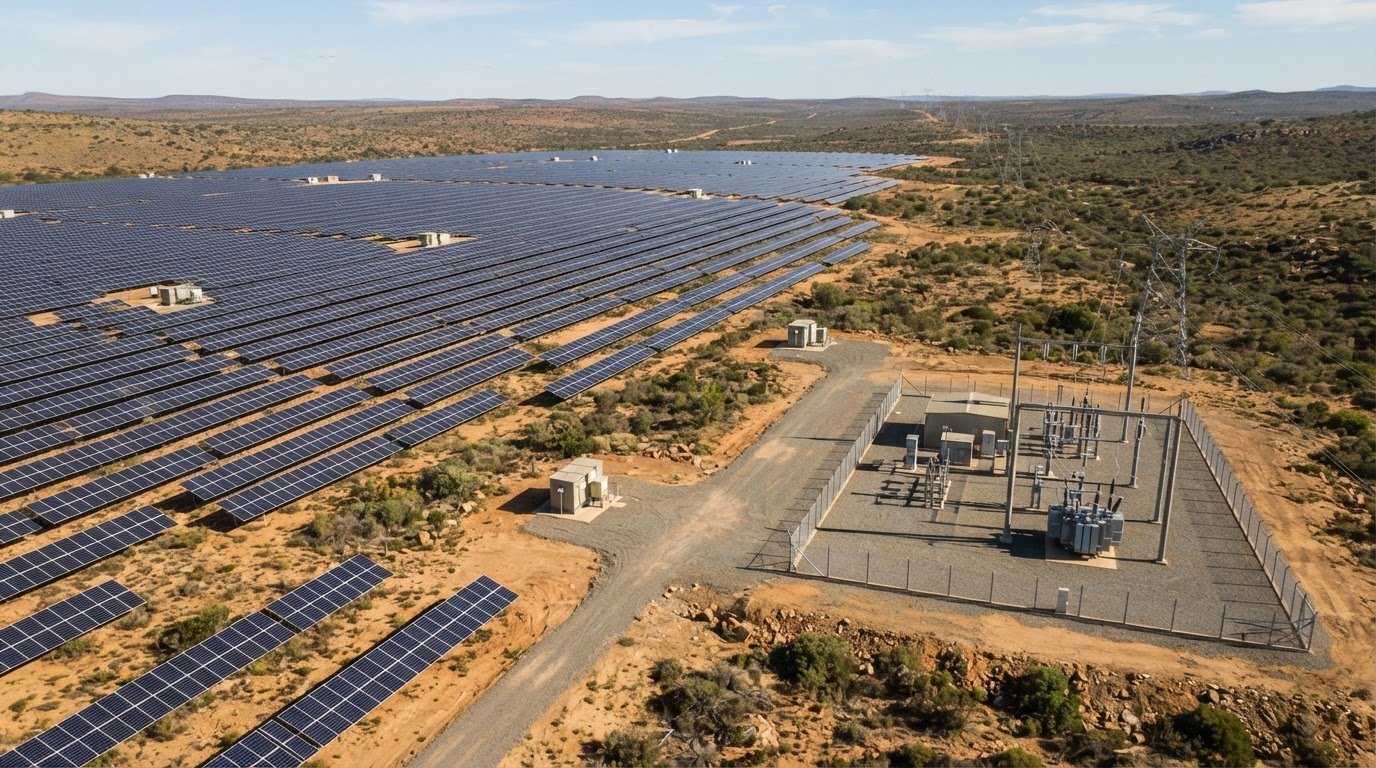
In South Africa, municipal electricity-supply and grid-connection requirements can vary by location. A residential PPA must account for the relevant municipality’s or distributor’s rules. The contract itself does not grant connection or export permission. With an onsite PPA, the system is installed at the customer’s property, and the customer buys the electricity it generates. A virtual PPA links the customer to solar generation elsewhere, without panels on the customer’s premises. Since these arrangements allocate site control, electricity supply and operating responsibilities differently, compare the contractual obligations, not just the label.
PPA contract terms and end-of-term options
A solar PPA contract can run from five to 25 years, so its conditions shape long-term costs and control. If you move, sell the property or end the agreement early, the contract determines whether it transfers, what termination entails and whether the system is removed or bought.
Contract duration, terms and escalations
Duration sets how long the provider operates the panels and supplies contracted renewable energy. The agreement should define the tariff, how increases apply, who handles repairs, and which party carries each operating obligation. Some PPA agreements include annual rate increases of 1% to 3%; fixed-escalator plans are also described with predetermined increases of 2% to 5%. The exact formula matters because it affects the price paid over the full term, not just the initial clean energy tariff.
Contract red flags
Unclear clauses about costs, asset control or responsibilities can lead to disputes. Check how tariff increases are calculated, who owns renewable energy credits, and whether the customer can transfer the agreement when the property is sold. Review repair responsibilities and the process for early termination as well. These terms matter because the provider owns the energy system, while the customer remains responsible for the agreed payments.
At the end of the agreement, options may include extending the contract, removing the system or buying it from the developer. Compare the price or process for each option with the panels’ remaining useful value and the site’s electricity needs. Solar renewable energy credits generated by a PPA system most often belong to the developer, so the contract should clearly set out ownership and any rights to sell them.
For a removal clause, establish who coordinates panel handling and site reinstatement. A planned exit can also account for solar PV recycling, rather than treating retired panels as ordinary waste.
Upfront costs and electricity savings
A commercial PPA shifts the system’s funding and installation from the business to the provider. The customer then pays for electricity generated at the agreed tariff.
Upfront costs and PPA electricity payments
Under a PPA, the provider arranges system design, permitting, financing and installation, typically without an upfront payment from the customer. The business pays for the electricity the solar system produces, not for the panels themselves. The tariff may be fixed or indexed, so charges depend on both generation and the contract’s pricing terms. This replaces an upfront capital requirement with ongoing electricity payments.
To estimate savings, compare the PPA charge with the grid electricity cost avoided for each unit generated and used onsite. Include the cost of electricity still purchased from the grid when solar production falls short of demand. For instance, daytime consumption that matches panel output can displace more grid electricity than use after production declines.
Fixed-price electricity purchases
A fixed-price PPA keeps the electricity tariff constant throughout the contract term. Bills can still vary because they depend on how much electricity the system generates and the customer uses. The benefit is certainty about the price per unit, not the total monthly bill. Compare the fixed tariff with the relevant utility rate and the site’s expected usage patterns.
An indexed tariff follows a defined pricing formula, so the unit price can change over time. Model each scheduled increase against expected generation and the utility electricity the system will replace. A lower starting tariff does not guarantee greater savings if later increases significantly raise the contracted price.
If the system generates more electricity than the site uses, the treatment of exported power affects the financial calculation. Some arrangements allow surplus onsite solar electricity to be sold to the grid, subject to the applicable utility arrangement. Assess exported and self-consumed units separately: they may be valued differently, and the contract should explain how export value is credited.
Can you save with solar PPAs?
Solar PPA savings come from comparing contracted electricity costs with the utility power displaced. In South Africa, tariffs depend on project factors; agreements can run from five to 25 years.
Fixed-price and escalator plans
A fixed-price plan holds the PPA rate constant, while an escalator clause sets scheduled increases. That distinction determines how the unit price changes across the agreement. Some PPA agreements include annual increases of 1% to 3%; fixed-escalator plans are also described with predetermined increases of 2% to 5%. Model the precise clause against expected generation and consumption, rather than assessing only the opening tariff.
Compare the contracted rate for each year with the utility rate for the electricity the system is expected to replace. The PPA escalator determines how its cost changes, while utility prices follow their own tariff structures. Depending on the schedule and the site’s energy use, a lower starting rate may lead to a different long-term outcome than a fixed tariff.
PPA rates and contract terms
There is no single South African PPA price: the tariff depends on site demand, expected system output, financing and pricing structure, and is set after a quote request. PPA contracts can range from five to 25 years, making the escalation clause and exit terms material to the total commitment.
To assess savings, compare the PPA charge for solar electricity used onsite with the utility cost avoided for those same units. Include grid electricity still needed when the system generates less than the site consumes. Account separately for any export value, since the arrangement for electricity returned to the grid affects the calculation. The business avoids an upfront system cost, but continues to pay for contracted electricity throughout the agreement.
Assess commercial solar infrastructure options against your site’s energy requirements through commercial solar infrastructure planning.
Greenovations Venture Studio: Drone-Powered Industrial Intelligence (GII)
Greenovations Venture Studio offers Drone-Powered Industrial Intelligence (GII) for organisations considering industrial intelligence alongside energy decisions. A solar PPA governs how a business buys electricity; GII is a separate offering, not a PPA or solar installation service.
Greenovations’ related offerings may be relevant when a business is considering infrastructure needs beyond electricity procurement. Solar PV Recycling addresses the end-of-life processing of retired panels, while the Electric Vehicle Ecosystem serves organisations assessing connected transport infrastructure. Each addresses a distinct operational need, so define the requirement before choosing an approach.
For industrial intelligence or planning for retired solar panels, contact Greenovations Venture Studio to discuss Drone-Powered Industrial Intelligence (GII) or Solar PV Recycling.
Turn the energy decision into an operational plan
Understanding how a solar PPA works is one part of an infrastructure decision. Consider how electricity procurement fits with the site’s wider operational priorities, including industrial intelligence, transport systems and infrastructure services. This broader view helps businesses assess a solar agreement against their actual needs rather than treating it as an isolated asset decision.
Greenovations Venture Studio offers Drone-Powered Industrial Intelligence (GII), an Electric Vehicle Ecosystem and Sustainable Seating Infrastructure-as-a-Service. These are distinct offerings, not alternatives to a solar PPA. Consider them when assessing related infrastructure needs alongside your energy strategy.
For a discussion about these areas and your organisation’s priorities, contact Greenovations Venture Studio. A clear operational brief gives the conversation a practical starting point and helps define the next decision with purpose.
Frequently Asked Questions
How does a solar PPA work?
A solar PPA is an agreement under which a business buys electricity generated by a solar system from a provider. The contract sets the tariff and explains how output is measured and billed. For example, a business can compare metered solar electricity used during operating hours with its utility purchases, then assess whether the arrangement suits its demand profile.
How does a PPA compare to other commercial solar solution options?
A PPA avoids buying the equipment outright, but the business pays for solar electricity under contract. With a cash purchase, the business owns and directly funds the system. A solar loan also results in customer ownership, with repayment obligations. A lease charges for equipment use instead. Compare who owns and funds the asset, and how payments are calculated.
How does the billing structure work for leases and PPAs?
A PPA bill is based on the solar electricity generated and used by the customer, multiplied by the agreed tariff. A lease usually charges a fixed monthly amount based on estimated annual production, regardless of actual generation. This distinction matters when comparing invoices: PPA charges vary with metered output, while lease payments follow the lease’s payment schedule.
What is a solar PPA and how does it work?
A solar PPA is an agreement to sell electricity from a solar installation, not to sell the equipment to the customer. In an onsite arrangement, panels serve the host property; a virtual agreement links the customer to generation elsewhere. The contract defines how the electricity supplied relates to the customer’s payments and the system’s location.
Who owns and maintains the solar panels under a solar PPA?
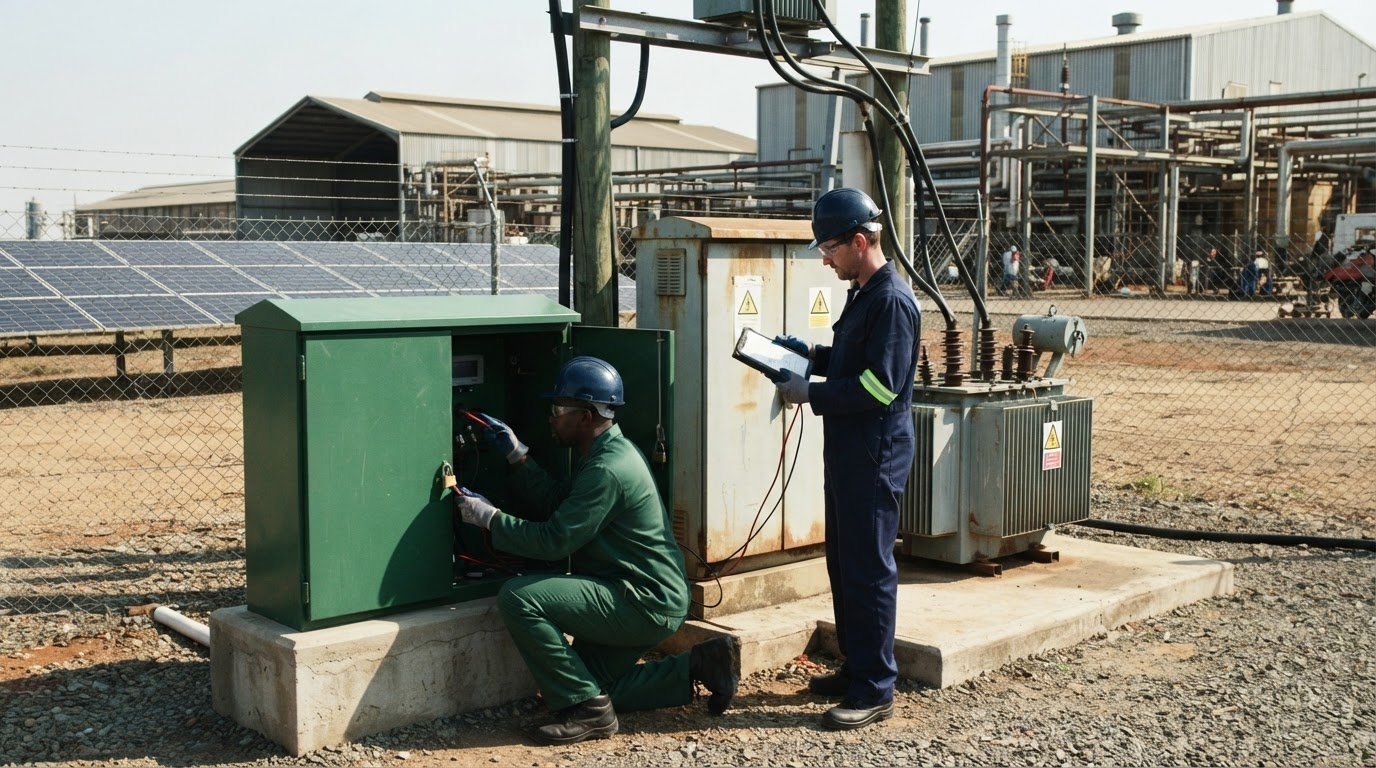
The provider owns, operates and maintains the panels during the agreement. Their installation on a customer’s property does not transfer ownership to the customer. The contract should explain how maintenance access is arranged, who coordinates repairs and how performance is addressed if generation is disrupted.
How are solar PPA rates and monthly bills calculated?
The PPA charge is calculated by multiplying the billed solar electricity units by the contracted tariff. Monthly totals therefore vary with system generation and the amount used onsite. The utility account may still include electricity drawn from the grid when solar output does not meet demand, along with applicable account charges. Compare both bills to assess total energy expenditure, not just the PPA invoice.
Visual summary
Planning a project like this?
Talk to the Greenovations venture desk about a No-CAPEX structure.