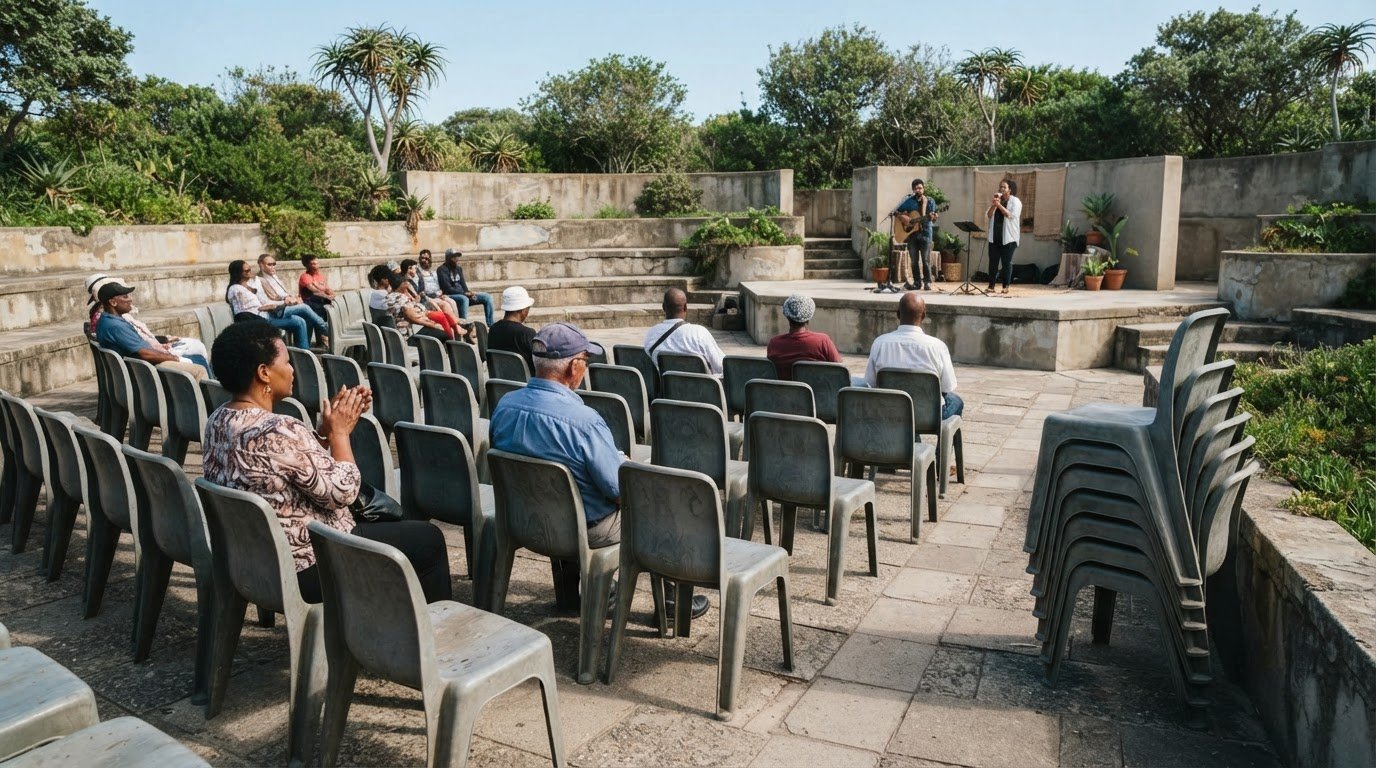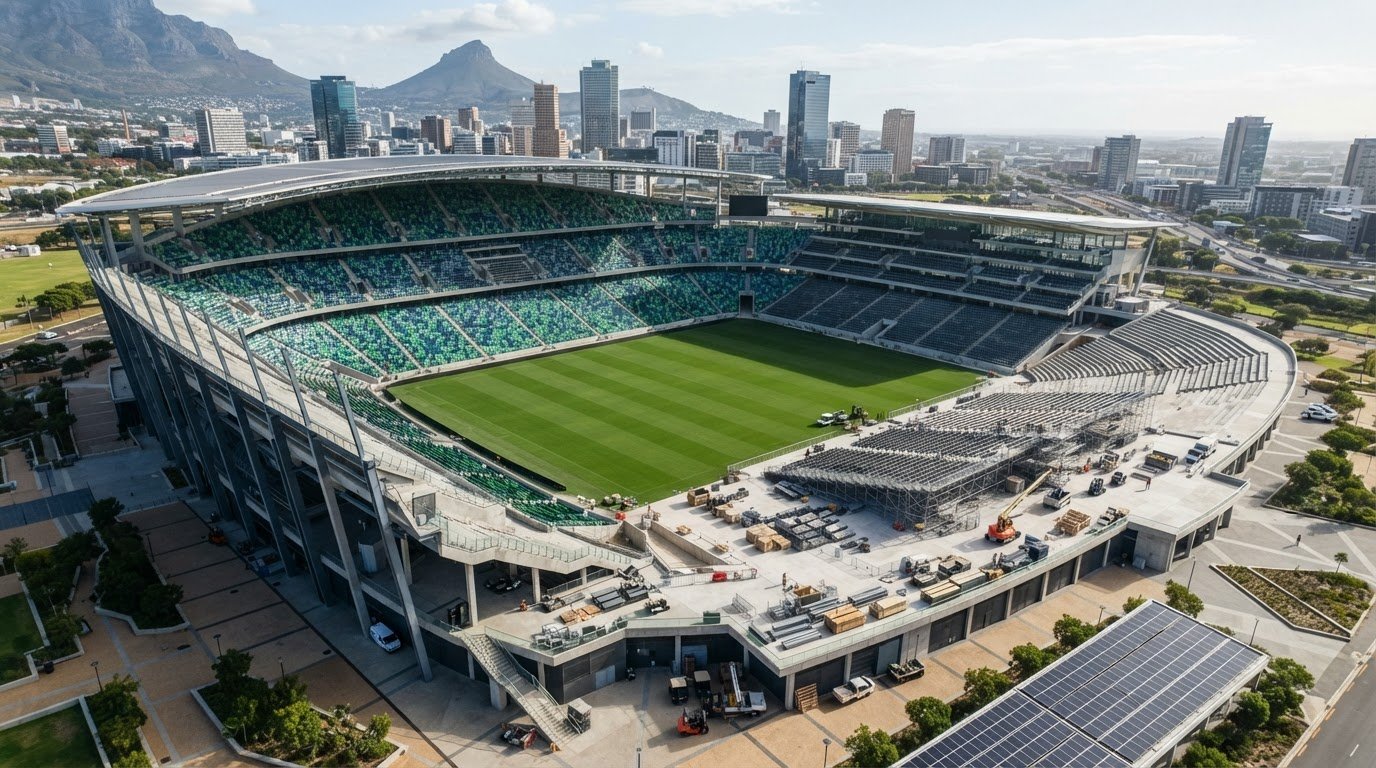
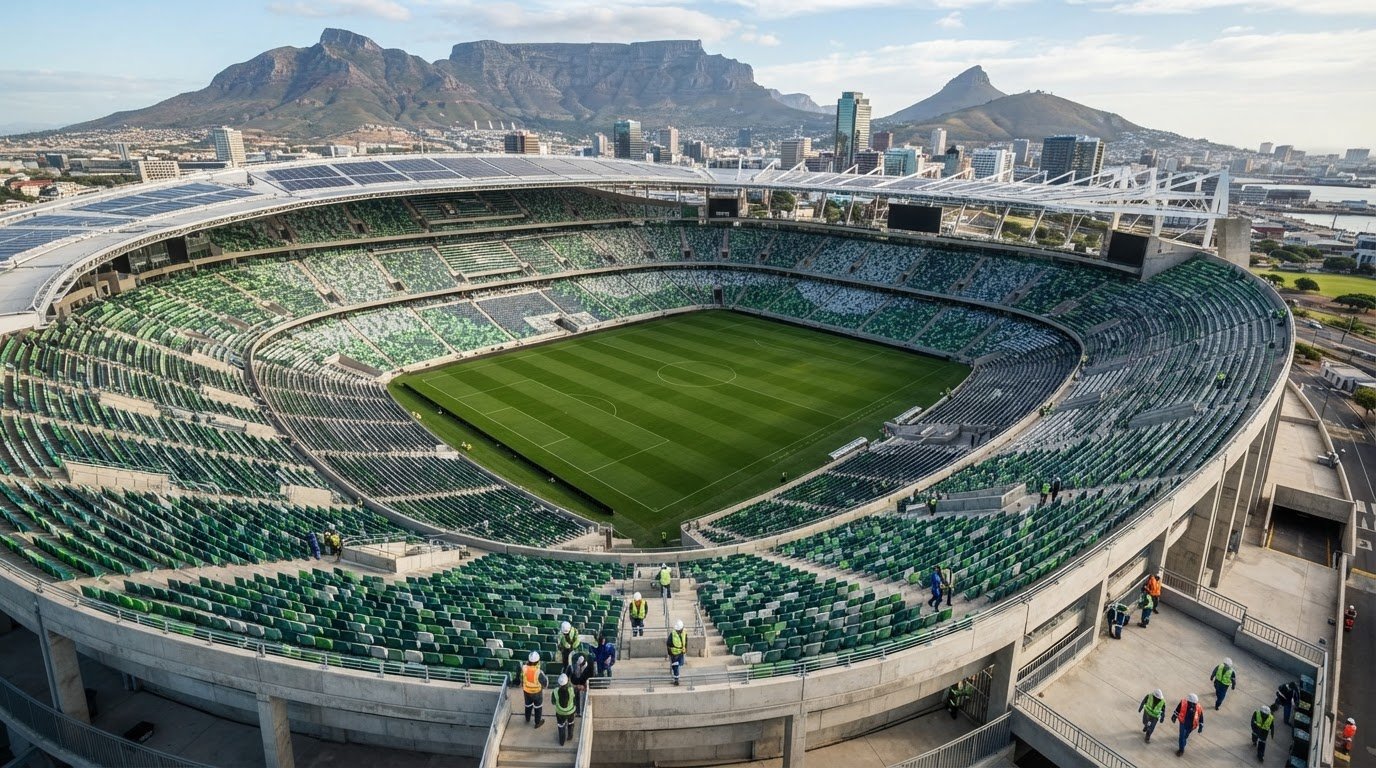
A stadium can procure seats in a single transaction, but seating capacity has financial and operational implications well beyond installation. Managed seating for stadiums treats that capacity as infrastructure. A large upfront outlay can compete with other venue priorities, while ageing or poorly planned seating can bring replacement and operational pressures later.
The purchase price is only one part of the decision. The commercial structure, lifecycle requirements and contractual responsibilities also shape the venue’s commitment. This article explains how managed seating works, how multi-year agreements and contracted operational fees can shift installation expenditure from upfront capital spending to operating expenditure, and how the model differs from direct procurement. It also sets out what to include in a seating brief, from capacity and condition to future use and operational requirements. The aim is to help venue teams compare the models against their financial and operational priorities in South Africa.
Key Takeaways
- Understand why managed seating for stadiums is an infrastructure model, not simply a different type of seat.
- See how an Infrastructure-as-a-Service structure can shift seating installation from upfront capital expenditure to contracted operating fees.
- Compare managed provision with direct procurement across capital, contract structure and responsibility, then assess which better fits your venue’s priorities.
- Use a practical assessment checklist to organise information on capacity, use, seat condition, planned changes, accessibility, sightlines, circulation and spectator safety.
- Follow a clear path from an internal seating brief to commercial evaluation, including the key features of Greenovations Venture Studio’s multi-year managed model.
Managed seating for stadiums: what the model actually covers
Managed seating for stadiums is a contracted service model for providing venue seating capacity, rather than a one-off purchase of individual seats. It treats seating as infrastructure: a physical asset connected to a financing structure, an agreement that allocates responsibilities and the venue’s operational requirements over time. The seats are only one part of the arrangement.
Procurement and provision are different decisions. When a venue buys seats, it pays for a defined purchase. A managed model provides seating capacity through an ongoing contractual relationship. The agreement sets out the commercial terms and responsibilities, so assess its scope rather than assuming what is included from the word “managed”.
Seating also affects how a venue accommodates spectators and uses its available space. Capacity, layout and intended use all inform the infrastructure brief. The physical design of stadium seating provides context for how seats are arranged within spectator areas. The decision therefore extends beyond product selection to include how the venue plans and funds its capacity.
What makes stadium seating a managed service?
A managed service shifts the focus from acquiring seats in a single transaction to securing seating capacity under contracted provision. The venue considers how the asset is provided and how the agreement structures the relationship over its term, rather than treating the purchase and longer-term commercial arrangement as the same decision.
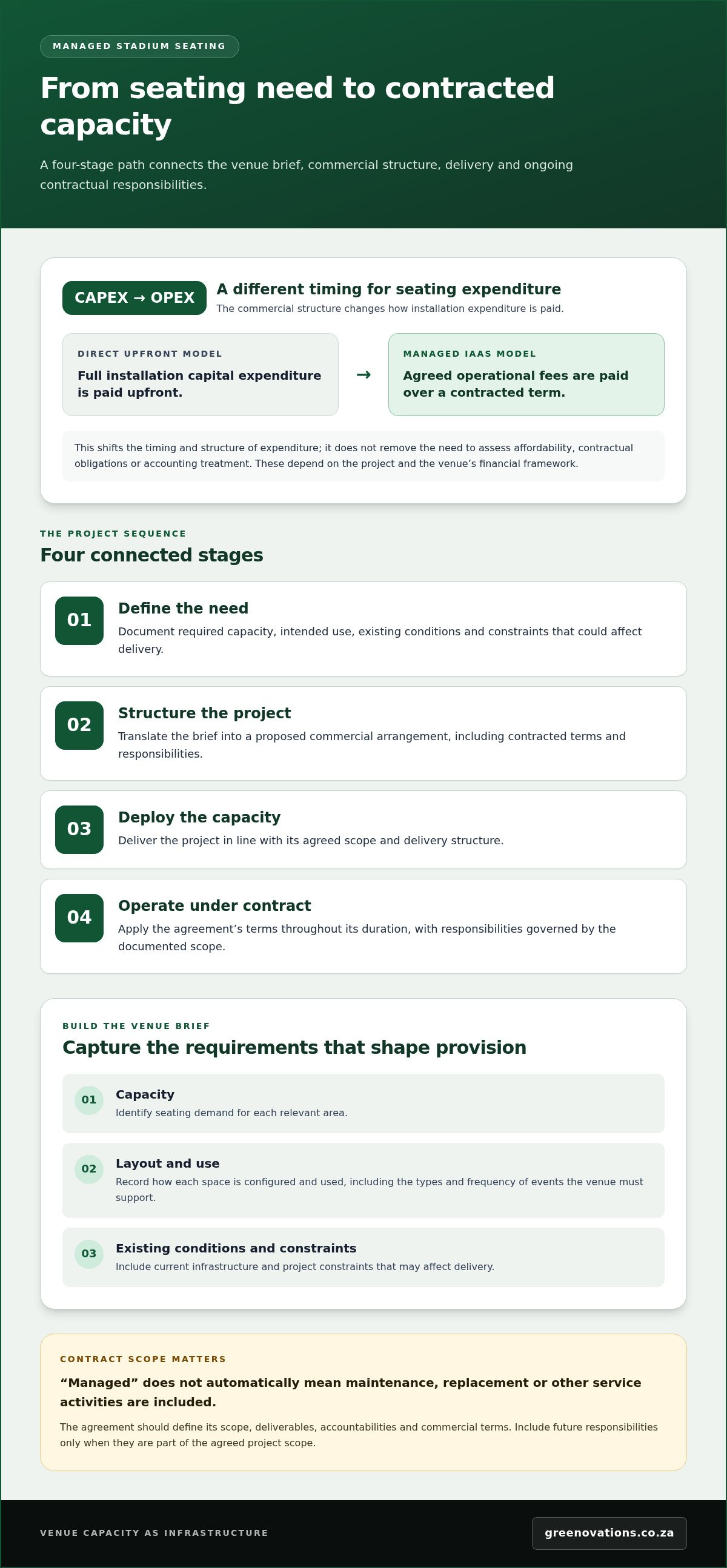
The contract defines the arrangement. It should set out the responsibilities, deliverables and commercial terms against the venue’s requirements. Maintenance, replacement and other service activities form part of the arrangement only when they are included in the agreed project scope.
Which venues and seating arrangements does the concept apply to?
The model can inform planning for different parts of a venue, but each area may have a distinct requirement. A grandstand’s capacity and layout may differ from those of other spectator areas, while VIP seating may have separate planning objectives. Record these differences in the infrastructure brief instead of assuming one configuration will suit every zone.
For venue operators, the assessment should reflect how the facility is used and what its seating needs to accommodate. Translate those requirements into a clear brief:
- Capacity: Identify the seating demand for each relevant area.
- Layout: Record how each space is configured and used.
- Usage patterns: Set out the types and frequency of events the venue must support.
This brief connects the physical asset to its commercial and operational context. It gives decision-makers a basis for structuring provision without confusing a seat specification with a managed seating arrangement.
How managed stadium seating connects finance, delivery and operations
Managed seating connects a venue’s capacity requirements to a delivery plan and a defined commercial structure. The process is more than placing an order and installing seats. It starts with a clear brief, then establishes how capacity will be provided, what the agreement covers and how the arrangement will operate over time.
Managed infrastructure changes when seating expenditure is incurred: instead of paying the full installation capital expenditure upfront, the venue pays agreed operational fees over a contracted term. This changes the timing and structure of expenditure, not the need to assess affordability, contractual obligations or accounting treatment. Those depend on the project and the venue’s financial framework.
From venue brief to contracted seating capacity
Start with the venue’s required capacity, intended use, existing infrastructure and project constraints. These inputs shape the seating brief and inform a tailored commercial and delivery structure. Before deployment, the agreement should define the project scope, deliverables, accountabilities and commercial terms. Managed seating for stadiums is built around a defined venue requirement, rather than a standard package assumed to fit every site.
A typical sequence moves through four connected stages:
- Define the need. Document required capacity, intended use, existing conditions and constraints that could affect delivery.
- Structure the project. Translate the brief into a proposed commercial arrangement, including contracted terms and responsibilities.
- Deploy the capacity. Deliver the project in line with the agreed scope and delivery structure.
- Operate under contract. Apply the agreement’s terms throughout its duration, with responsibilities governed by the documented scope.
This sequence gives venue teams decision points before they commit. It also distinguishes the general service model from the obligations in a project contract. Deployment does not by itself determine who handles future maintenance, replacement or other activities. If these responsibilities are part of the arrangement, the agreement should state them.
How the IaaS commercial structure works
Under an Infrastructure-as-a-Service (IaaS) model, seating capacity is provided through a structured service arrangement rather than treated solely as a one-off asset purchase. Greenovations provides managed seating through contracted operational fees over multi-year terms, with a model designed to avoid upfront seating installation capital expenditure. The fee, term and scope are project-specific.
The distinction between capital expenditure (CAPEX) and operating expenditure (OPEX) is about how the project’s expenditure is structured. It does not, by itself, show that total costs will be lower or determine how the arrangement will be recorded in a venue’s accounts. Finance teams should assess the proposed obligations against their own financial policies and approval processes.
Design, finance, delivery and operation may all be relevant when structuring a project. Map each consideration to an agreed responsibility and deliverable. For venues assessing managed seating infrastructure, this contract-led approach considers the commercial structure alongside the physical capacity requirement.
Managed seating versus direct procurement: compare the whole model
The choice is not simply between two ways to obtain seats. It is about how the venue funds capacity, governs the arrangement and allocates responsibilities over time. Direct procurement is ownership-led: the venue purchases seating and manages the scope it retains. Managed provision is service-led: the venue secures capacity through a contract with defined commercial terms and responsibilities.
Compare both models against consistent criteria before selecting products or settling specifications. The table sets out their structural differences, while the project terms determine the actual scope.
| Decision factor | Direct procurement | Managed provision |
|---|---|---|
| Upfront capital | The venue funds the acquisition, with seating installation expenditure incurred upfront. | The model is designed to avoid upfront seating installation capital expenditure, using contracted operational fees instead. |
| Contract structure | A purchase is made under the venue’s procurement arrangements; any separate project obligations depend on the agreed scope. | Provision is governed by an agreement with defined commercial terms, potentially over a multi-year term. |
| Responsibility | The venue manages the responsibilities it retains for its purchased assets and project scope. | Responsibilities and deliverables are set by the specific agreement, not assumed from the managed label. |
| Key evaluation | Assess available capital, procurement processes and internal asset-management capacity. | Assess fee commitments, contract duration, governance fit and project-specific risk allocation. |
Seat type, material, layout and intended use remain product and planning considerations under either model. They are separate from financing, governance and lifecycle management. A venue might select suitable seating but still need to decide who funds the capacity, how contractual obligations are approved and which responsibilities sit with each party. These decisions are connected, but not interchangeable.
Where direct procurement may fit
Direct purchase may suit a venue with an established procurement process, available capital for the acquisition and internal capacity to manage its responsibilities. It provides a direct route to acquiring seating against the venue’s project brief. Whether it fits depends on the venue’s financial position, governance requirements and asset-management capability.
Where managed seating may fit
Managed provision is worth evaluating when avoiding upfront installation capital expenditure is relevant to budget planning. Contracted fees provide a defined payment structure, while also creating commitments across the agreement term. Examine the duration, deliverables, responsibilities and risk allocation against the venue’s approval processes and operational requirements before comparing models.
For a practical decision, document the venue’s objectives and constraints, then test each option against the same questions:
- Capital: Is upfront expenditure feasible, or is a contracted fee structure more suitable?
- Governance: Can the organisation approve and oversee the proposed procurement or contract?
- Accountability: Are responsibilities and deliverables clearly allocated for the chosen scope?
Neither model is universally preferable. Managed seating for stadiums is most useful as a comparison framework: assess the full commercial structure alongside the physical seating requirement, rather than treating product choice as the whole decision.
Assess a stadium’s seating requirements before selecting a model
A sound seating decision starts with a clear brief. Record the venue’s current and target capacity, how different areas are used, the condition of existing seats and any planned changes. Without this baseline, a procurement comparison may focus on price or contract form while overlooking the operational requirements that determine whether the proposed capacity is suitable.
Build a defensible venue seating brief
Bring operational, facilities, finance and procurement perspectives into the assessment. Set out event patterns, audience types and operating constraints. Document existing seat condition, mounting context and relevant infrastructure interfaces. Identify who approves the project, how decisions are governed and which measurable objectives will define a suitable outcome.
Use a structured checklist to turn observations into project inputs:
- Capacity and use: Record current and required capacity by area, audience needs, event patterns and anticipated changes in use.
- Condition and interfaces: Note visible seat condition, mounting arrangements and connections with the existing structure or venue infrastructure.
- Venue function: Assess accessibility, sightlines, circulation routes and spectator safety as project prompts. Establish the relevant requirements for the venue rather than assuming a specification.
- Governance and objectives: Identify decision-makers, approval steps, operating constraints and the measures against which the project will be assessed.
These details help distinguish a replacement requirement from a capacity or layout change. They also give finance and operations teams a common basis for reviewing procurement and managed provision, rather than comparing commercial models against an incomplete scope.
Evaluate durability, safety and whole-life requirements
Material and mounting choices should respond to the project context. Assess venue exposure, expected usage intensity and the maintenance approach alongside the existing structure. A material or fixing suitable for one seating area may not be appropriate elsewhere. Make selections based on documented conditions, not generic product claims.
Treat UV resistance, flame retardancy and vandal resistance as criteria requiring relevant evidence where they apply. Separate supplier claims from the venue’s verified requirements, and identify which standards or design requirements govern the project. A feature statement alone does not prove that a seat meets a particular application’s performance or compliance needs.
A whole-life assessment should also capture how the selected arrangement aligns with planned venue changes, who holds each documented responsibility and which operational assumptions underpin the brief. This makes maintenance, replacement and other potential responsibilities visible for the commercial and technical evaluation.
Once the brief is consolidated, explore managed seating infrastructure as one way to consider capacity provision alongside its commercial structure. For a project-specific discussion of your venue’s requirements, speak with Greenovations about managed seating.
Managed stadium seating in South Africa: the path from assessment to decision
A sound decision follows a controlled sequence: establish the venue requirement, compare delivery models and evaluate commercial terms against the organisation’s governance and operational needs. For South African venue operators, this process should produce a decision record that explains not only the selected approach, but why its scope and obligations fit the project.
A practical sequence for stadium decision-makers
Begin with a written internal brief covering required capacity, current seating condition, usage patterns and operational objectives. Record planned changes and constraints, then identify the stakeholders responsible for technical input, finance, procurement and approval. A shared brief gives decision-makers the same basis for assessment and helps keep commercial discussions grounded in a defined requirement.
Next, compare direct procurement and Infrastructure-as-a-Service (IaaS) against the organisation’s capital planning, contract preferences and internal capacity to manage the project. The question is not which model sounds more advanced. It is which structure aligns with the venue’s funding priorities, governance processes and ability to oversee its responsibilities.
Before reaching a decision, evaluate the proposed scope, fee structure, agreement term and allocation of responsibilities together. Review the deliverables, how accountabilities are assigned and whether the commitment fits internal approval requirements. A fee structure cannot be assessed separately from its term, just as the term cannot be judged without understanding the obligations and scope attached to it.
Greenovations’ managed seating infrastructure model
Greenovations deploys managed seating capacity through an IaaS arrangement. Its model uses contracted operational fees over multi-year terms and is designed to avoid upfront seating installation capital expenditure. This is a commercial structure for venue capacity, rather than a simple retail purchase of seats.
These features provide a basis for an initial fit assessment. Venue teams should align their brief with the proposed scope and examine the applicable responsibilities, governance requirements and commercial commitments before making a decision. The agreement defines project-specific deliverables, including any maintenance, replacement or other services within its scope.
For organisations assessing managed seating for stadiums, a disciplined process brings the internal requirement, commercial structure and contractual allocation into one decision. This keeps the evaluation grounded in venue objectives rather than product descriptions alone.
To assess how this approach relates to your venue’s requirements, review Greenovations’ venue infrastructure approach.
Turn the seating brief into a decision-ready plan
Give your venue’s seating decision a clear owner, a defined approval route and criteria that finance, operations and procurement can assess consistently. Set out which requirements are fixed, where the project has flexibility and what evidence decision-makers need before committing. This turns managed seating for stadiums from a broad concept into a structured evaluation grounded in your organisation’s priorities.
Use the brief to frame the commercial discussion, not to predetermine its outcome. A disciplined review makes trade-offs visible, clarifies how the proposed scope aligns with venue objectives and gives stakeholders a sound basis for governance decisions. This strengthens the decision, whichever route the venue selects.
Greenovations develops managed seating infrastructure for venue operators. Explore Greenovations’ managed seating infrastructure approach and consider how it could inform your next project assessment.
With a clear brief and a rigorous evaluation process, your team can advance the seating decision with greater confidence.
Frequently Asked Questions
What does managed seating for stadiums include?
Managed seating for stadiums provides seating capacity through a service arrangement, with the agreement defining its scope. Maintenance, replacement and other operational services are included when specified in the project agreement. Before evaluating the arrangement, map its deliverables, exclusions, asset boundaries and process for changes against the venue’s requirements.
How does stadium seating infrastructure-as-a-service work?
Infrastructure-as-a-Service (IaaS) structures seating capacity as a contracted service rather than solely as a purchase. The practical sequence is to define the venue’s requirement, assess the commercial arrangement and document the scope and accountabilities in an agreement. Greenovations’ seating model uses contracted operational fees over multi-year terms. Assess those commitments through the venue’s financial and governance processes.
Can managed seating avoid upfront capital expenditure?
Yes. Greenovations’ model is designed to avoid upfront seating installation capital expenditure by structuring provision around contracted operational fees. This does not mean seating has no cost; it changes the timing and form of the commitment. Finance teams should consider fee obligations across the contract term and assess how the arrangement is treated under their organisation’s accounting policies, rather than assuming a particular balance-sheet outcome.
What is the difference between managed seating and buying seats outright?
Buying seats outright is a procurement transaction: the venue funds the purchase and manages the responsibilities it retains. Managed provision places capacity under a service agreement, where the documented terms determine the fees, scope and allocation of responsibilities. Compare both routes against the same project requirement, then consider how each fits capital availability, procurement governance and the organisation’s ability to oversee its commitments.
How should a stadium assess its seating capacity requirements?
Start with actual venue use, not only the maximum stated capacity. Review attendance and seating demand across different event types, identify areas that are consistently underused or constrained, and record planned layout or use changes. Then distinguish current capacity from the target requirement. This gives operations and finance teams a practical basis for assessing whether the brief addresses a specific need or carries forward an old assumption.
Who is responsible for stadium seating maintenance under a managed agreement?
The agreement determines responsibility; the term “managed” alone does not establish that maintenance is included or assign it to either party. Before approval, identify how the contract addresses routine inspections, repairs, reporting, authorisation and work outside the agreed scope, where relevant to the project. Clear allocation helps distinguish the venue’s existing operating arrangements from the obligations set out for the managed seating capacity.
Visual summary
Planning a project like this?
Talk to the Greenovations venture desk about a No-CAPEX structure.