The lowest upfront cost is not always the lowest-cost venue model. Venue infrastructure as a service provides infrastructure through a service arrangement, rather than requiring a venue to fund every asset upfront. Costs depend on the scope, level of use and how the service is structured to respond to changing demand.
That distinction matters: a fixed installation can leave capacity underused during quiet periods, while an undersized setup can constrain peak operations. Venue infrastructure as a service aims to align provision with operating needs, but its value depends on the scope, pricing basis and responsibilities defined in the agreement.
This article explains how venue infrastructure as a service works, what shapes its costs, and how flexibility connects with reliability and security. It also examines the limits of pay-as-you-use arrangements, so venue operators can assess whether this model fits their assets, operating profile and approach to capital expenditure.
Key Takeaways
- Identify how resource use, service scope and contract terms shape the total cost, without relying on a headline rate alone.
- Assess reliability and security through the service levels, responsibilities and support arrangements set out in the agreement.
- Define which equipment and operational services the venue needs before assessing whether a service model fits.
- See where Greenovations Venture Studio’s Sustainable Seating Infrastructure-as-a-Service may fit a venue’s infrastructure requirements.
Provider security, compliance, SLAs, pricing and support
A venue infrastructure as a service arrangement defines the resources provided and each party’s responsibilities in a contract. Security controls, service levels and support terms determine how the arrangement protects venue operations. They should address technical access, incident handling and recovery, rather than rely on general service descriptions.
Service levels and support
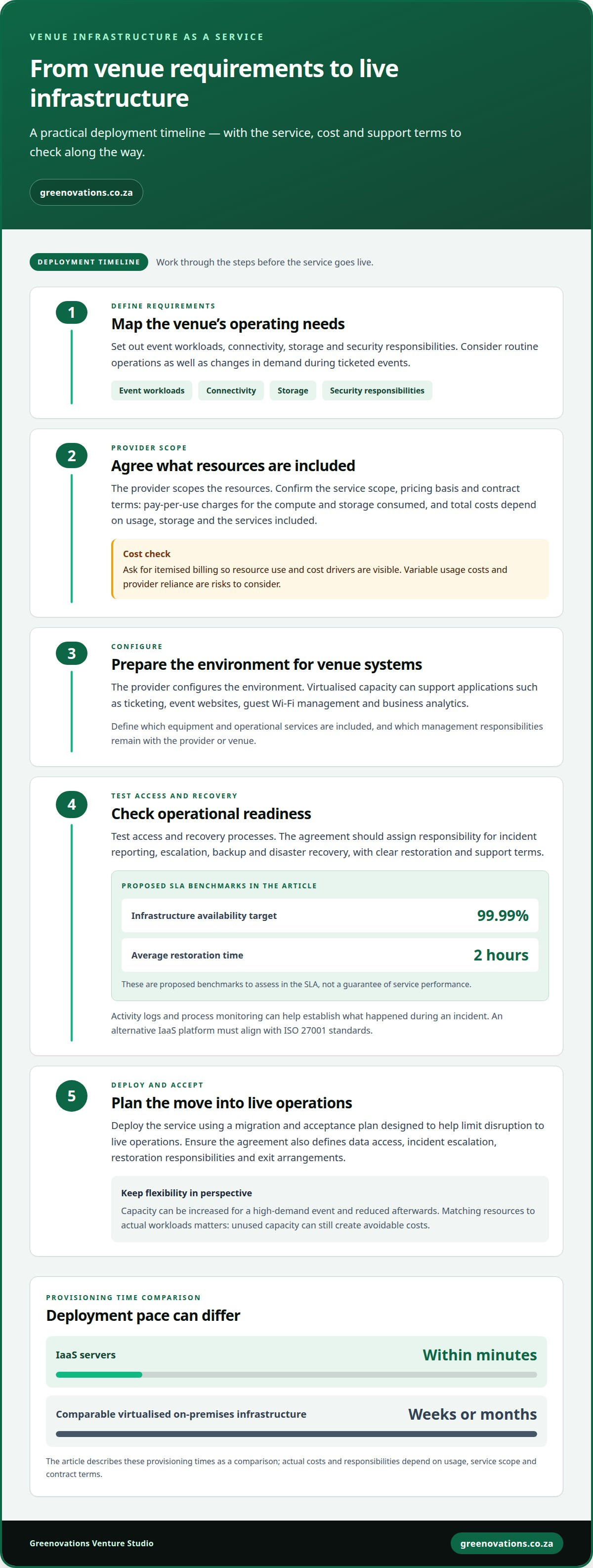
A service-level agreement (SLA) records measurable commitments for availability, restoration and support. A proposed infrastructure availability target is 99.99%, with an average restoration time of 2 hours. These benchmarks help assess the operational exposure of systems such as ticketing and access control. The agreement should assign responsibility for incident reporting, escalation, backup and disaster recovery. For venue infrastructure as a service, activity logs and process monitoring can help establish what happened during an incident. An alternative IaaS platform must align with ISO 27001 standards.
Pay-per-use costs and savings
Pay-per-use provisioning charges for the compute and storage resources consumed, rather than requiring a venue to purchase all capacity upfront. A provider can scale resources for a high-demand event and reduce them afterwards, limiting idle capacity. IaaS servers can be provisioned within minutes, while comparable virtualised on-premises infrastructure can take weeks or even months. For venue infrastructure as a service, this can reduce procurement and deployment delays. Total costs still depend on usage, storage, service scope and contract terms. Itemised billing helps make these cost drivers visible.
Compared with buying venue technology, a service model can reduce upfront capital expenditure and shift hardware management to the provider. Leasing spreads payments, but the venue may retain more responsibility for equipment and capacity planning. The difference depends on the contract, asset ownership and services included.
Deployment begins with defining requirements, including event workloads, connectivity, storage and security responsibilities. The provider scopes resources, configures the environment, tests access and recovery processes, then deploys the service. A migration and acceptance plan can help limit disruption to live operations.
Risks include variable usage costs, reliance on the provider and less direct control. A venue with strict physical-custody requirements may find IaaS unsuitable. Contract terms should define data access, incident escalation, restoration responsibilities and exit arrangements.
Benefits of scalability and pay-as-you-go pricing
Scalability lets venue operators adjust infrastructure capacity as demand changes, rather than sizing every asset for peak use. A concert venue, for example, may need more network and compute capacity during a ticketed event than for routine administration. This flexibility can reduce idle capacity between events while preserving room for changing workloads.
Traditional procurement requires an organisation to buy hardware, arrange installation and integrate it before use. With IaaS, enterprises can request additional resources as needs grow, without repeating the entire procurement cycle. The provider delivers virtualised capacity, and the venue’s technical team configures it for applications such as guest Wi-Fi management or ticketing systems.
Pay-as-you-go pricing links expenditure to resource consumption. For example, a venue can increase capacity for a major event and scale it back afterwards, rather than maintaining the same peak provision during quieter periods. The financial advantage depends on matching resource allocation to actual workloads. Capacity that remains unused can still create avoidable costs.
Scalability also supports project-based work. A venue developing a booking platform can provision a separate testing environment, then adjust resources as development needs change. Once the platform is operational, capacity can be configured around its production requirements. This separates temporary technical demand from the infrastructure needed for day-to-day delivery.
Resilience is another operational consideration: a cloud-hosted website can use redundancy across multiple physical servers to help manage unexpected demand. That architecture can support continuity, but it does not remove the need to define performance expectations, backup arrangements and recovery responsibilities. For venues assessing infrastructure models alongside physical assets, infrastructure-as-a-service options can form part of the wider evaluation.
What services and equipment are included in venue infrastructure as a service?
Venue infrastructure as a service can cover virtualised computing resources, but it does not automatically include every physical asset inside a venue. An IaaS arrangement may provide compute, storage and networking for applications such as ticketing, event websites and business analytics. The agreement defines the included resources and which management responsibilities remain with the provider or venue.
At the infrastructure level, provision can include virtual server space, network connectivity, bandwidth, load balancers and IP addresses. These components work together: compute runs an application, storage holds its data, and networking connects users and systems. Venue staff can access the environment through a browser-based management console or application programming interfaces.
Storage may be configured as object, block or file storage. For example, object storage can hold unstructured files, while block storage can support a virtual machine’s disk requirements. File storage gives applications a shared file structure. The right configuration depends on each application’s data access patterns and performance requirements.
Networking connects compute and storage within virtual machines. A larger deployment can use a virtual private cloud to separate application environments or connect workloads across geographical regions. A venue running separate ticketing and business systems may use distinct network configurations to manage traffic and access through its venue infrastructure as a service arrangement.
- Provider-managed infrastructure: the IaaS provider maintains the underlying hardware and data centre.
- Venue-managed workloads: the venue’s technical team configures applications and resource access within the virtual environment.
- Deployment structures: infrastructure can operate in public, private or hybrid cloud environments.
Physical venue equipment is a separate scope question. Seating, screens, sound systems, access-control devices and point-of-sale terminals are not inherent parts of cloud infrastructure. They may connect to cloud-hosted systems, but their supply, maintenance and replacement need explicit contractual treatment. For example, a ticketing application may run on cloud compute while entry scanners remain physical equipment.
Before deployment, map each application to its compute, storage and network requirements, then assign responsibility for the physical equipment it depends on. This boundary clarifies what the service delivers and what remains under the venue’s control.
Which venue infrastructure as a service providers operate in South Africa?
South African venue procurement can involve cloud infrastructure providers and specialist operators that package infrastructure with venue assets. These are different roles: a cloud provider supplies virtual compute, storage and networking, while a specialist operator may structure physical infrastructure as a managed service. Scope matters more than the label, because “venue infrastructure as a service” can describe very different contracts.
The South African Post Office provides an example of IaaS procurement, not a directory of venue providers. Its RFQ specified an initial IaaS hosting term of six months, with a further six-month extension subject to satisfactory performance and business requirements. This shows how an institutional buyer can define an initial term and a conditional extension in procurement documents.
Classify potential operators by what they contract to deliver:
- Cloud infrastructure providers supply virtualised compute, storage and networking, while the venue manages its applications.
- Managed-service operators may combine infrastructure with agreed monitoring, support or recovery responsibilities.
- Venue infrastructure operators focus on physical assets, with ownership, servicing and replacement governed by contract.
Before assessing an operator, a South African venue should map the assets it needs. A ticketing platform may need cloud hosting, while seating remains a physical infrastructure requirement. One contract may cover only virtual resources; another may also allocate responsibility for physical assets. The service schedule should identify each asset, its owner, included support and applicable performance measures.
Compare proposals by scope, contract duration, scaling terms, security responsibilities and exit arrangements, rather than provider category alone. A straightforward hosting requirement differs from a project involving venue equipment and long-term operating obligations. Clear boundaries reveal gaps between cloud capacity and physical infrastructure before they become delivery risks.
For venue projects involving physical infrastructure, explore infrastructure options suited to the asset requirement.
The provider types described are cloud infrastructure providers, which supply virtual compute, storage and networking, and specialist operators, which manage physical venue infrastructure.
Greenovations Venture Studio: Sustainable Seating Infrastructure-as-a-Service
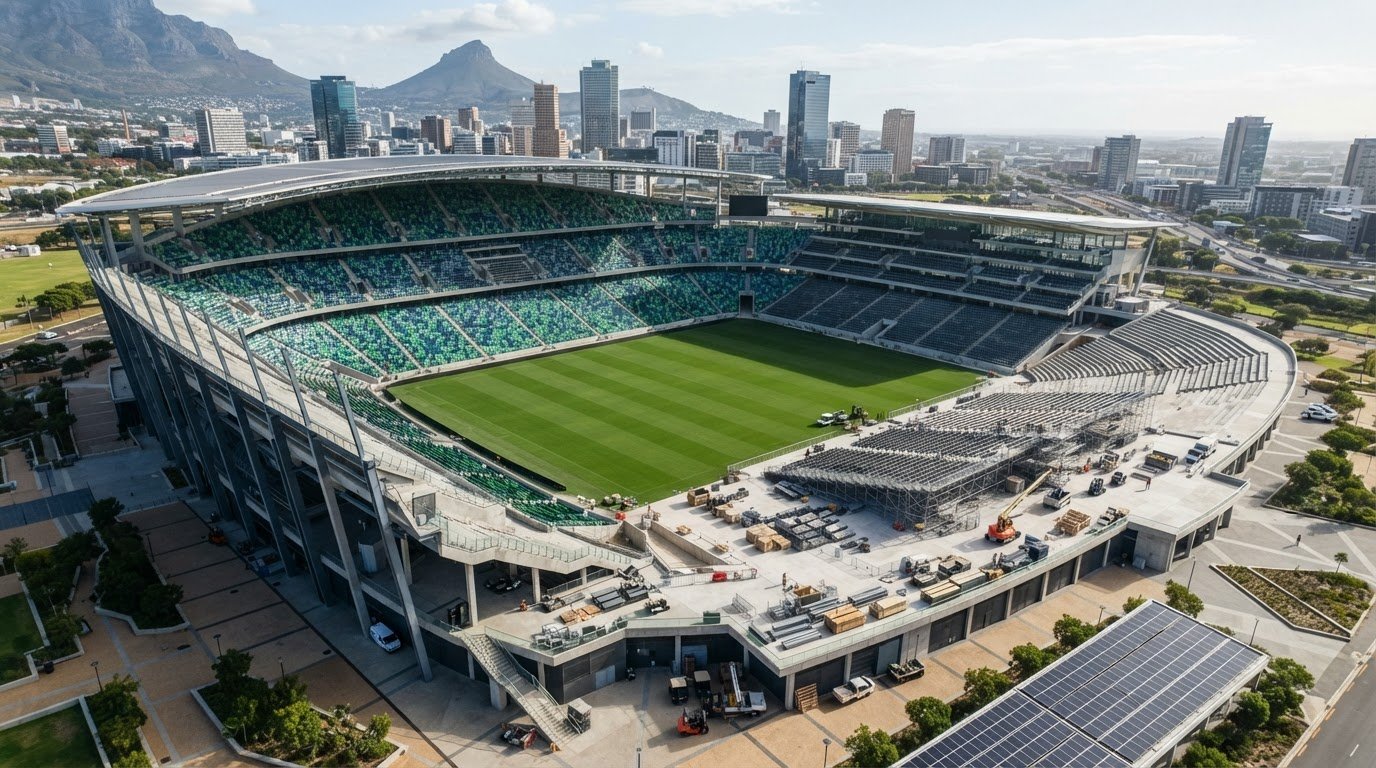
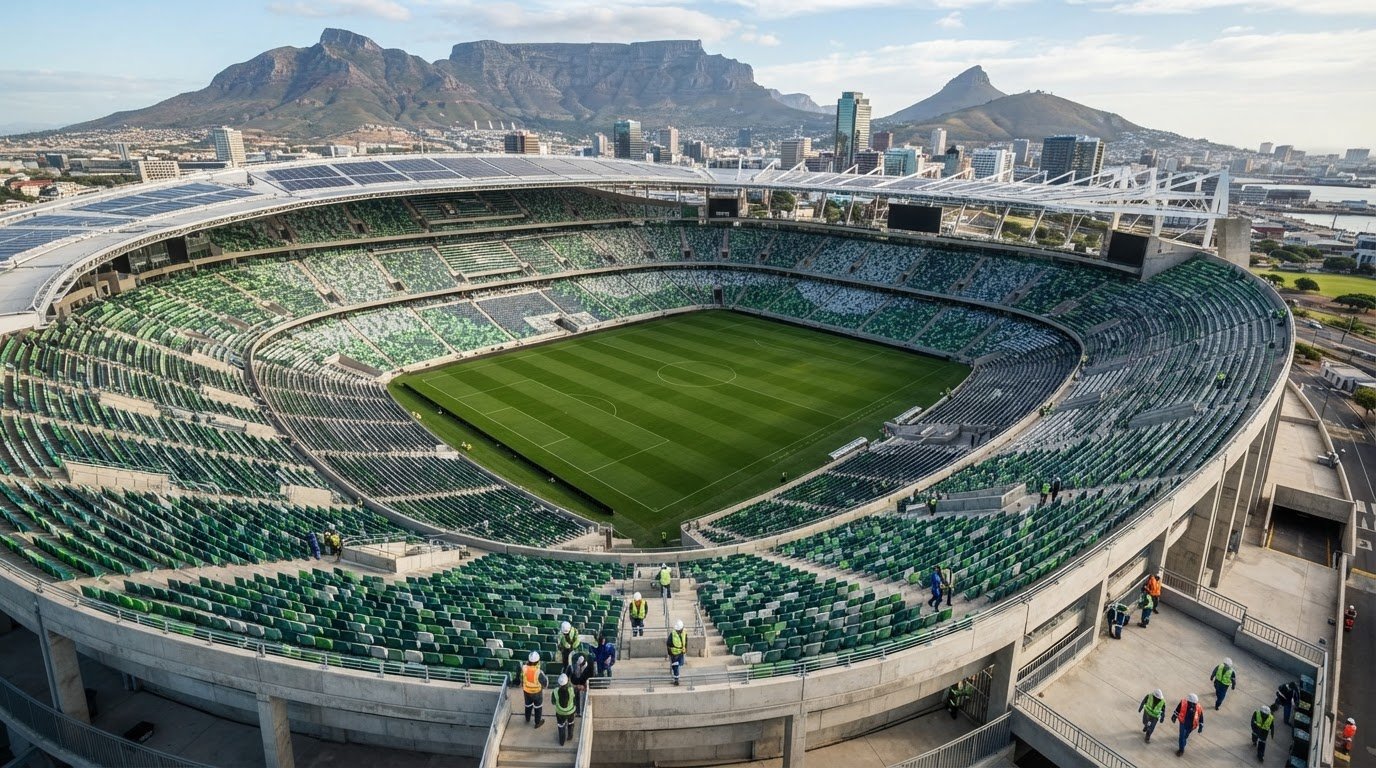
Greenovations offers Sustainable Seating Infrastructure-as-a-Service for venues assessing seating as an infrastructure requirement. This physical-asset service is distinct from cloud hosting, making it relevant to operators considering how seating provision fits venue operations and infrastructure planning.
This service is relevant when a venue is evaluating seating as part of a broader infrastructure decision, rather than treating it solely as an equipment purchase. Discussion can focus on the venue’s requirements, project scope and intended operating model, so the service can be assessed against practical needs.
Contact Greenovations Venture Studio to discuss Sustainable Seating Infrastructure-as-a-Service for your venue.
Turn the infrastructure decision into a project brief
The next step is to turn your venue’s operating priorities into a defined project brief. Set out the assets in scope, the outcomes they need to support and the commercial structure your organisation can sustain. This gives decision-makers a basis for assessing venue infrastructure as a service against the venue’s operating model, rather than treating the label as a complete specification. Clear scope also helps align operational, finance and procurement teams before commitments are made.
Greenovations’ Sustainable Seating Infrastructure-as-a-Service is relevant when seating forms part of that infrastructure requirement. Its Drone-Powered Industrial Intelligence (GII) and Electric Vehicle Ecosystem address different operational needs, not substitutes for venue seating. Tie each requirement to its intended outcome and assess the relevant offering on that basis.
Contact Greenovations Venture Studio to discuss your venue’s infrastructure priorities. A well-defined brief is a strong foundation for the next decision.
Frequently Asked Questions
What is venue infrastructure as a service (VIaaS)?
Venue infrastructure as a service is a contract-based model for accessing agreed venue infrastructure without purchasing every asset outright. Depending on the agreement, it may cover physical assets such as seating or digital resources that support venue operations. The defining feature is how provision and operating responsibilities are allocated between the venue and service provider. It is not automatically a complete venue-management service.
How does venue infrastructure as a service work for venues and event organisers?
The model aligns an event’s requirements with the infrastructure and responsibilities defined in a service agreement. The venue and organiser establish operational needs, such as seating configuration and access arrangements, then coordinate delivery within the agreed scope. The agreement determines who provides, operates and maintains each asset. After the event, the venue can review actual requirements to inform future planning.
What connectivity, power, and technical requirements does a venue need for VIaaS?
Define the venue’s connectivity, event workloads, storage and security responsibilities, then map each application to its compute, storage and network needs. IaaS resources are accessed over the internet, while the venue’s technical team configures applications and resource access.
Visual summary
Planning a project like this?
Talk to the Greenovations venture desk about a No-CAPEX structure.